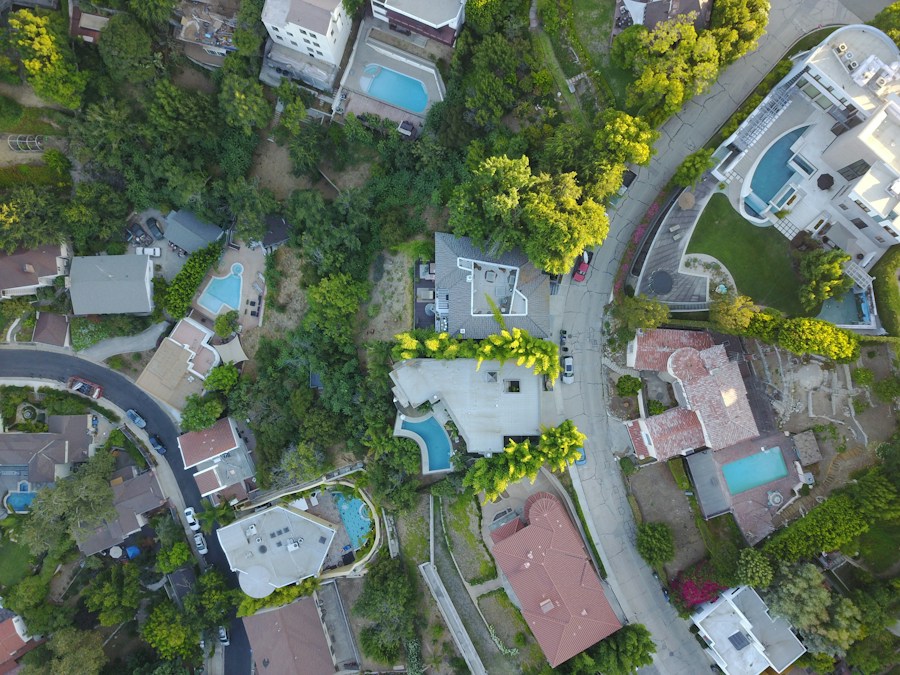
West LA Real Estate
Westwood
Westwood's proximity to UCLA drives consistent demand from academic, medical, and entertainment professionals. Strong rental income potential alongside owner-occupied luxury.
Westwood sits at the intersection of academia, luxury retail, and Westside residential quality — and its real estate market reflects all three. UCLA's 45,000-student campus creates a permanent demand engine for rental properties, while the residential neighborhoods south and east of the university attract professionals and families drawn to the walkability, Westwood Village, and proximity to Beverly Hills and Santa Monica. The median home price is above $1.9 million in 2026.
Westwood has two distinct real estate markets that buyers need to understand separately. The area immediately around the UCLA campus is dominated by multi-family properties, condos, and investment purchases targeting the student and academic community. The residential neighborhoods further from campus — particularly the flats bordering Beverly Hills — are family-oriented with larger single-family homes and a quieter character.
The Westwood high-rise condo market along Wilshire Blvd offers some of the most sophisticated urban living in Los Angeles, with full-service buildings featuring concierge, pools, and stunning views. These units attract physicians, executives, and international buyers seeking a secure, amenity-rich primary or secondary residence in one of the safest corridors in the city.
UCLA creates the defining educational and cultural resource of Westwood, but the neighborhood also has strong K-12 options. Canyon Charter Elementary receives consistently high ratings, and Paul Revere Middle School has been recognized as a National Blue Ribbon School. For families prioritizing elite private education, Harvard-Westlake and Crossroads are accessible within 20 minutes. The UCLA campus itself functions as a cultural amenity for Westwood residents, with the Hammer Museum, Powell Library, Royce Hall events, and UCLA Extension programs effectively open to the broader community.
Westwood presents one of the most recession-resistant investment cases in Los Angeles real estate, driven by an anchor institution that does not fluctuate with economic cycles. UCLA enrolls 45,000 students and employs 20,000 faculty and staff who consistently prefer to live within walking or cycling distance of campus. Vacancy rates in Westwood rental properties track below 2 percent even during economic downturns. Properties here have appreciated at a consistent 6 to 8 percent annually over the past decade, and the combination of UCLA-driven demand, proximity to Beverly Hills and Santa Monica employment, and the Wilshire Corridor high-rise market creates a demand base that is more diversified than most Los Angeles submarkets.
The process of buying in Westwood depends heavily on which submarket you are targeting. The high-rise condo market on the Wilshire Corridor operates very differently from the residential neighborhoods near UCLA. The Corridor buildings have active HOA governance, building-specific rules, and varying financial health that require professional due diligence. The residential neighborhoods have more traditional single-family home dynamics with competitive offer situations for desirable properties. Anthony Galeano has experience in both Westwood submarkets and can guide buyers through the specific requirements and processes of each.
"Westwood condo demand remains exceptionally strong — the area's walkability and UCLA proximity create a permanent buyer pool."
Westwood Village, Hammer Museum, Geffen Playhouse, Wilshire Corridor
UCLA creates a permanent, recession-proof demand foundation for Westwood properties. The university employs thousands of high-income professionals who want to live close to campus. For investors, Westwood offers some of the lowest vacancy rates in Los Angeles year-round, making it one of the most reliable rental markets in the region.
Westwood attracts a diverse buyer pool — families, academics, investors, and international buyers — that few other West LA neighborhoods can match. This diversity means there is almost always an active, qualified buyer for a well-presented Westwood property regardless of price tier or property type.
Anthony has 20+ years of West LA experience and direct relationships across every Westwood neighborhood. Get his personal read on the market — no obligation, no pressure.
Side-by-side breakdowns of Westwood against other West LA markets — pricing, schools, lifestyle, appreciation, and Anthony's investment thesis for each pairing.
Westwood is excellent for families who value access to UCLAs cultural and intellectual resources. The residential neighborhoods south and east of campus have strong school options, safe streets, and proximity to every Westside amenity. The university presence means world-class museums, performances, and educational programs are accessible throughout the year, enriching family life beyond what most neighborhoods offer.
The Wilshire Corridor refers to the stretch of Wilshire Boulevard through Westwood and into Brentwood lined with luxury high-rise condominiums. Buildings like Westwood Marquis, Le Parc, and similar full-service towers offer concierge, pools, fitness centers, and security in a prestigious address. Units range from $900,000 for smaller one-bedrooms to $4M+ for penthouses with panoramic views.
Westwood offers more price diversity than Brentwood, with entry points from condo purchases in the $900,000 range alongside single-family homes above $2 million. Brentwood has higher average prices but a more residential character. Westwood has the advantage of UCLA proximity and the Westwood Village amenities. Both markets have strong long-term appreciation and are excellent choices for the right buyer profile.
Westwood has one of the strongest rental markets in Los Angeles, driven by UCLAs 45,000 students and thousands of faculty and staff. Vacancy rates for well-maintained units within walking distance of campus rarely exceed 1-2%. One-bedroom apartments rent for $2,500-3,500 per month, and two-bedrooms for $3,500-5,000. This permanent demand foundation makes Westwood one of the most reliable investment markets in the region.
Westwood is experiencing its most significant development activity in decades. Several major mixed-use projects along Westwood Boulevard and Wilshire are in planning or under construction, adding luxury residential units and retail space. The Westwood Village revitalization effort is ongoing, with the city investing in streetscape improvements and retail incentives to restore the areas vitality. These improvements are expected to enhance values in the surrounding residential neighborhoods.