West LA Real Estate
Larchmont Village
Larchmont Village is one of central LA's most distinctive small neighborhoods — a true walkable commercial main street, preserved 1920s small-lot single-family, and elementary-school-anchored community fabric.
Larchmont Village is one of the most architecturally and culturally distinctive small neighborhoods in central Los Angeles. The neighborhood covers roughly 0.4 square miles bounded by Wilton Place, Rossmore Avenue, Beverly Boulevard, and Melrose Avenue, organized around Larchmont Boulevard — a true walkable commercial main street that has resisted chain dominance more successfully than almost any LA retail corridor.
The Larchmont Boulevard commercial strip is the cultural spine — Larchmont Bungalow, Larchmont Wine & Cheese, Burger Lounge, Le Pain Quotidien, Village Pizzeria, and the weekly Larchmont Farmers Market on Sunday. The lifestyle is community-oriented, walkable, and family-anchored. Neighbors know each other. The farmers market is a weekly social event. Kids walk to school and to friends' houses. The village fabric is structurally preserved by zoning and by community involvement.
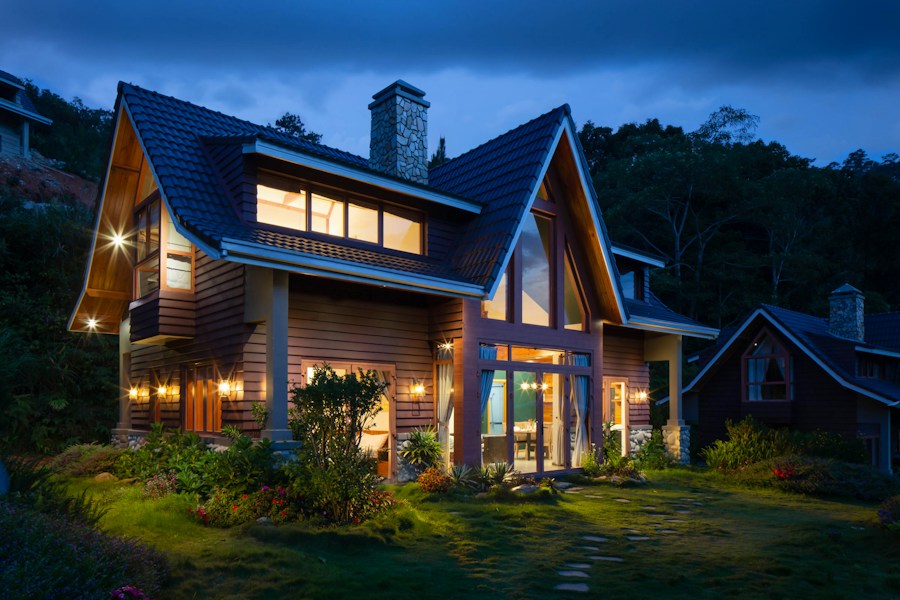
The housing stock is dominated by preserved 1920s and 1930s small-lot single-family inventory on 6,000 to 9,000 square foot lots — Spanish Colonial Revival, California Craftsman, Tudor Revival, and English Cottage homes on tree-lined streets. Median sits at $2.1M, days on market 19, year-over-year appreciation 7.8%. Original streetcar-suburb housing stock from the 1920s. Architectural character is structurally preserved by community involvement and consistent neighborhood-driven renovation standards (no formal HPOZ designation, but de facto preservation through community norms).
Larchmont Village schools are LAUSD with strong neighborhood reputations — Third Street Elementary, Cahuenga Elementary, and John Burroughs Middle School. The Center for Early Education, the Wilshire Boulevard Temple Day School, and private alternatives are accessible within walking distance. Larchmont Village is one of the few central LA neighborhoods where elementary school strength is a meaningful pricing factor and a primary buyer driver.
The buyer profile skews families with elementary-school-age children specifically choosing Larchmont for the walkable village fabric and the strong elementary school options. Long-term holders (10 to 20 years) dominate the market. Generational hold patterns compress turnover — owners often stay 15 to 25 years through children's school cycles. The buyer pool is more family-anchored than neighboring Miracle Mile or Beverly Grove.
The transaction market reflects tight family-buyer demand and structural inventory scarcity. Larchmont Village inventory is genuinely tight because the neighborhood is small (0.4 square miles), turnover is slow, and elementary school demand keeps families anchored long-term. Active inventory is typically 8 to 18 single-family listings at any time, generating 6 to 12 competing offers on well-priced properties. Well-priced 1920s single-family routinely sees 5 to 10% above-asking outcomes. Off-market activity through elementary school parent networks is meaningful.
For families specifically prioritizing walkable village living and strong elementary schools, Larchmont Village offers something that almost no other central LA neighborhood can match — a true main street with daily community fabric, neighborhood elementary, and preserved 1920s small-lot single-family character. The structural inventory scarcity is permanent (0.4 square mile neighborhood with slow generational turnover) and provides structural protection against teardown-rebuild cycles.
"Larchmont is one of the rare LA neighborhoods that actually delivers on walkability. Real main street, real community, real elementary schools — preserved by community involvement and structural inventory scarcity."
Larchmont Boulevard main street, Sunday Farmers Market, Third Street Elementary, Cahuenga Elementary
Larchmont Village delivers genuinely walkable village fabric, strong elementary schools (Third Street, Cahuenga), and preserved 1920s small-lot single-family character. Strong fit for families with elementary-age children who want a real main street community at central LA proximity.
Larchmont Village sellers benefit from tight family-buyer demand and structural inventory scarcity. Well-priced 1920s single-family routinely sees 6 to 12 competing offers and 5 to 10% above-asking outcomes. Elementary school parent network activity is significant.
Anthony has 20+ years of West LA experience and direct relationships across every Larchmont Village neighborhood. Get his personal read on the market — no obligation, no pressure.
Side-by-side breakdowns of Larchmont Village against other West LA markets — pricing, schools, lifestyle, appreciation, and Anthony's investment thesis for each pairing.
Home prices in West LA vary by neighborhood. Culver City median is $1.7M (up 11.2%), Venice is $2.1M, Santa Monica is $2.8M, and Beverly Hills starts at $4.5M. The overall West LA market has appreciated 8.2% year-over-year in 2026.
Look for an agent with verified sales in your specific neighborhood, not just general LA experience. Anthony Galeano has 20+ years of West LA experience with 68+ homes sold across Beverly Hills, Culver City, Venice, Santa Monica, and surrounding neighborhoods.
A CMA (Comparative Market Analysis) is a report that estimates your homes market value based on recent sales of similar homes in your neighborhood. Anthony Galeano offers free CMAs using real MLS comparable sales data — not Zillow estimates.
Yes — the West LA market in 2026 favors sellers. Inventory remains near historic lows, days on market average just 16-21 days across West LA neighborhoods, and well-priced homes regularly receive multiple offers. The tech and entertainment economy keeps buyer demand strong.