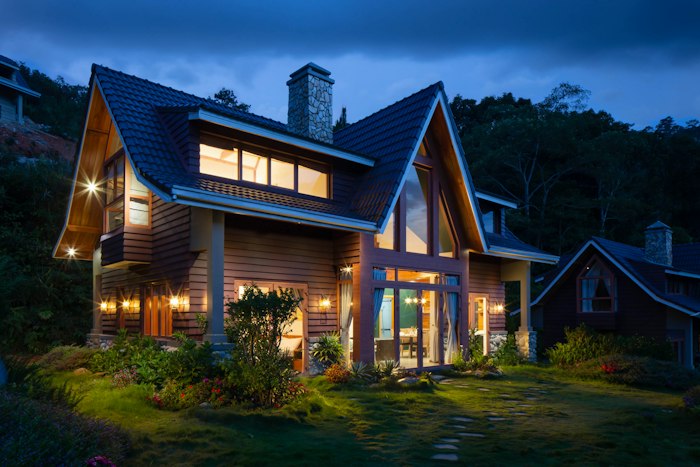
Hancock Park
Median $3,400,000
Larchmont Village
Median $2,100,000
Two adjacent 1920s neighborhoods that share architectural DNA but serve completely different buyers.
Hancock Park and Larchmont Village sit immediately adjacent to each other in central Los Angeles — Larchmont Village is technically contained within the Hancock Park area or directly adjacent depending on the boundary definition — and they share 1920s architectural DNA, top-quality central LA schools, and Old LA cultural orientation. But they function as fundamentally different markets. Hancock Park is estate-scale: 12,000 to 25,000 square foot lots, 1920s Tudor and Spanish Colonial estates, HPOZ designation, $3.4M median, multi-generational holds. Larchmont Village is village-scale: 6,000 to 9,000 square foot lots, 1920s small-lot single-family on tree-lined streets, walkable to a true commercial main street, $2.1M median, family-anchored with strong elementary school demand. The $1.3M price gap reflects fundamentally different products. This comparison breaks down what matters for buyers choosing between estate-scale 1920s prestige and walkable village fabric.
Hancock Park is a designated Historic Preservation Overlay Zone (HPOZ) covering roughly 1.4 square miles north of Wilshire Boulevard, bounded by Highland Avenue, Beverly Boulevard, Rossmore Avenue, and Melrose Avenue. The neighborhood was developed in the 1920s by the Hancock family as one of LA's first planned upscale residential districts, organized around the Wilshire Country Club. The housing stock is dominated by 1920s estate-scale single-family homes on 12,000 to 25,000 square foot lots — Tudor Revival, Spanish Colonial Revival, French Normandy, Mediterranean, and Georgian estates designed by named period architects (Paul R. Williams, John Byers, Wallace Neff, Roland Coate). Median sits at $3.4M, days on market 28, YoY appreciation 6.4%. The HPOZ designation protects architectural character but adds renovation complexity. Buyer profile skews multi-generational holders, entertainment industry executives, established professionals at senior career stages, and families specifically choosing Hancock Park Elementary.
Larchmont Village is one of the most architecturally and culturally distinctive small neighborhoods in central Los Angeles. The neighborhood covers roughly 0.4 square miles bounded by Wilton Place, Rossmore Avenue, Beverly Boulevard, and Melrose Avenue, organized around Larchmont Boulevard — a true walkable commercial main street that has resisted chain dominance more successfully than almost any LA retail corridor. The housing stock is dominated by preserved 1920s and 1930s small-lot single-family inventory on 6,000 to 9,000 square foot lots — Spanish Colonial Revival, California Craftsman, Tudor Revival, and English Cottage homes on tree-lined streets. Median sits at $2.1M, days on market 19, YoY appreciation 7.8%. The buyer profile skews families specifically choosing Larchmont for the walkable village fabric and the strong elementary school options (Third Street Elementary, Cahuenga Elementary). Larchmont Village has community fabric that does not exist in surrounding neighborhoods — neighbors know each other, the Sunday farmers market is a weekly social event, kids walk to friends' houses.
LAUSD — Hancock Park Elementary and John Burroughs Middle serve the neighborhood with strong reputations. The Mirman School (gifted), Marlborough, Harvard-Westlake (Beverly Glen middle campus), and Wilshire Boulevard Temple Day School are accessible within 10 to 15 minutes. Hancock Park Elementary is one of the strongest LAUSD elementary schools in central LA.
LAUSD — Third Street Elementary, Cahuenga Elementary, and John Burroughs Middle serve the neighborhood with strong reputations. The Center for Early Education, the Wilshire Boulevard Temple Day School, and private alternatives are accessible within walking distance. Larchmont Village is one of the few central LA neighborhoods where elementary school strength is a meaningful pricing factor and a primary buyer driver.
Wilshire Country Club anchors the social infrastructure (private membership, founded 1919). Larchmont Village retail (a 10-minute walk from much of Hancock Park) provides daily walkable shopping and dining. The lifestyle is residential, community-oriented, and discreet — Hancock Park is known for old-LA quiet wealth rather than visible prestige. The HPOZ protection means driving through Hancock Park is visually distinctive.
Larchmont Boulevard is the cultural spine — independent commercial main street with the Larchmont Bungalow, Larchmont Wine & Cheese, Burger Lounge, Le Pain Quotidien, Village Pizzeria, and the Sunday farmers market. The lifestyle is community-oriented, walkable, and family-anchored. Neighbors know each other. Kids walk to school. The village fabric is structurally preserved by community involvement.
Hancock Park's architectural inventory is the most concentrated preserved 1920s estate architecture in central Los Angeles. Tudor Revival, Spanish Colonial Revival, French Normandy, Mediterranean, and Georgian estates designed by named period architects (Paul R. Williams, John Byers, Wallace Neff, Roland Coate). HPOZ designation provides structural protection against teardown-rebuild cycles. Larger lots (12,000 to 25,000 square feet) allow for substantial period-appropriate restoration.
Larchmont Village preserves one of the most architecturally distinctive concentrations of 1920s and 1930s small-lot single-family inventory in central LA. Spanish Colonial Revival, California Craftsman, Tudor Revival, and English Cottage homes on tree-lined streets, 6,000 to 9,000 square foot lots. Original streetcar-suburb housing stock from the 1920s. No formal HPOZ but de facto preservation through community norms.
Hancock Park's 28-day average days-on-market reflects a smaller more selective luxury buyer pool and longer due diligence cycles typical of $3M+ HPOZ-zone transactions. The market is bifurcated: $2.5M to $5M Hancock Park Elementary-zoned inventory moves at relatively normal velocity (3 to 5 weeks), while $5M+ estate inventory often takes 2 to 6 months. Off-market activity through entertainment industry networks is meaningful.
Larchmont Village's 19-day average days-on-market reflects tight family-buyer demand for walkable village inventory. Generational hold patterns compress turnover — owners often stay 15 to 25 years through children's school cycles. Active inventory is typically 8 to 18 single-family listings at any time, generating 6 to 12 competing offers on well-priced properties. Off-market activity through elementary school parent networks is meaningful.
Best fit: Multi-generational holders, entertainment industry executives, established professionals at senior career stages, families prioritizing Hancock Park Elementary, and architecture-focused buyers who specifically want preserved 1920s estate inventory with HPOZ protection. Generally older buyer profile (40+) at senior career or post-career stages.
Best fit: Families with elementary school-age children specifically choosing Larchmont for the walkable village fabric and elementary school options. Long-term holders (10 to 20 years). Buyers who value community-oriented neighborhood living over urban cultural density. Often dual-career professional households who chose Larchmont specifically for the village feel.
Investment thesis: Hancock Park is a capital preservation play with strong downside resilience anchored by HPOZ designation, Hancock Park Elementary, and preserved 1920s estate inventory. Moderate appreciation (5 to 7% band) but exceptional volatility resistance. Larchmont Village is a family-anchored capital preservation play with steady appreciation (7 to 8% band) and structural inventory scarcity (0.4 square mile neighborhood with slow generational turnover). For multi-generational estate holds and HPOZ-protected architecture, Hancock Park justifies the premium. For families prioritizing walkable village living and elementary schools, Larchmont Village delivers superior dollar-for-dollar fit.
Hancock Park wins on estate scale, HPOZ preservation protection, architectural prestige, and old-LA cultural orientation. Larchmont Village wins on entry price, walkable village fabric, true main street community, and family-anchored elementary school strength. Both are excellent generational holds for different buyer profiles. If you want estate-scale 1920s prestige with HPOZ protection, Hancock Park. If you want walkable village community with strong elementary schools, Larchmont Village.
"These two are essentially neighbors but they serve completely different buyers. Hancock Park is for the estate-scale buyer who wants HPOZ-protected 1920s prestige and is comfortable at $3M+. Larchmont Village is for the family who wants a true walkable village with a real main street and strong elementary schools at $2M. The HPOZ designation in Hancock Park is the structural difference — it guarantees architectural continuity through generations in a way that no other central LA neighborhood can match. Larchmont Village preserves character through community norms rather than formal designation, but the result is similar — driving through either neighborhood feels visually distinct from anywhere else in LA. I have closed in both this year. The honest test: estate scale or village scale? That separates almost everyone."
Talk to Anthony — Free →Hancock Park is significantly more expensive at $3.4M median versus Larchmont Village at $2.1M — a $1.3M gap. The premium reflects estate-scale lots (12,000-25,000 sq ft vs 6,000-9,000 sq ft), HPOZ designation, and Hancock Park Elementary boundary inclusion.
Both are excellent. Hancock Park Elementary is one of the strongest LAUSD elementaries in central LA. Larchmont Village schools include Third Street Elementary and Cahuenga Elementary, both well-regarded. Family pricing factor is meaningful in both neighborhoods.
Larchmont Village appreciates slightly faster at 7.8% YoY versus Hancock Park at 6.4%. Both are moderate-appreciation established markets. Hancock Park trades faster appreciation for HPOZ-protected downside resilience.
HPOZ stands for Historic Preservation Overlay Zone. Hancock Park has formal HPOZ designation — renovation, demolition, and new construction require approval from the HPOZ board. Larchmont Village does not have formal HPOZ but preserves character through community norms and consistent neighborhood-driven renovation standards.
Larchmont Village, by a clear margin. Larchmont Village is organized around a true walkable commercial main street (Larchmont Boulevard) with daily destinations within a 5-minute walk for most residents. Hancock Park has Larchmont Village adjacent but the residential streets are estate-scale and not as walkable in daily rhythm.
Hancock Park averages 28 days, Larchmont Village averages 19 days. Larchmont Village's tighter market reflects structural inventory scarcity (0.4 sq mi neighborhood with slow turnover) and tight family-buyer demand.
Both are excellent generational holds. Hancock Park offers HPOZ architectural protection that ensures the neighborhood character will still be intact in 30+ years. Larchmont Village offers structural inventory scarcity and family-anchored community that has sustained value across multiple cycles. For preserved estate-scale architecture, Hancock Park. For walkable village family living, Larchmont Village.
Hancock Park and Larchmont Village are adjacent neighborhoods serving fundamentally different buyer profiles. Hancock Park delivers HPOZ-protected 1920s estate architecture, Hancock Park Elementary, and Old LA prestige at $3.4M median. Larchmont Village delivers walkable village fabric, true main street community, and 1920s small-lot single-family at $2.1M median. The right choice depends entirely on whether you want estate-scale prestige with HPOZ protection or walkable village community with strong elementary schools. Before committing on either, walk both during a weekend morning to feel the rhythm. Reach out for a free CMA and strategy conversation.