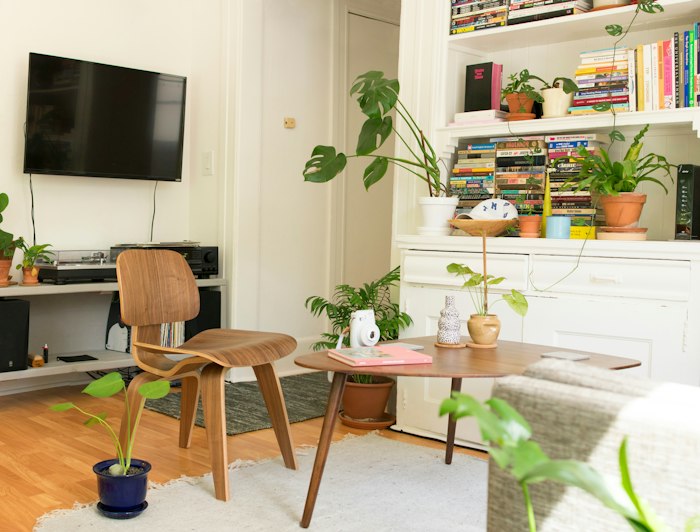
Miracle Mile
Median $1,450,000
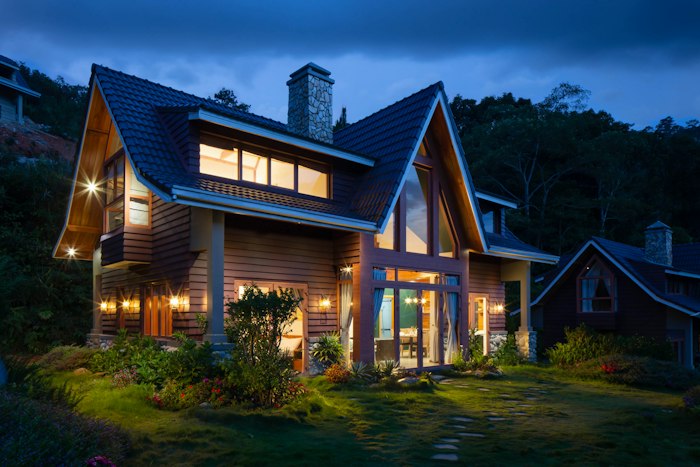
Larchmont Village
Median $2,100,000
Both are pre-war Mid-Wilshire. One is a museum corridor, the other a genuine village. The choice is about rhythm.
Miracle Mile and Larchmont Village share the same pre-war Mid-Wilshire architectural DNA but they function as fundamentally different neighborhoods. Miracle Mile runs along Wilshire Boulevard between Highland and Fairfax, anchored by Museum Row (LACMA, the Petersen, the Academy Museum), with housing concentrated south of Wilshire in walkable small-lot single-family and condo inventory. Larchmont Village sits north of Beverly Boulevard between Wilton Place and Rossmore Avenue, organized around Larchmont Boulevard — a genuine walkable commercial main street with the Larchmont Bungalow, Burger Lounge, Larchmont Wine & Cheese, the Larchmont Farmers Market, Le Pain Quotidien, and a community fabric that does not exist anywhere else in central Los Angeles. Both neighborhoods have preserved 1920s and 1930s small-lot single-family inventory and shared geographic proximity to Hancock Park. The decision between them comes down to whether you want walkable Museum Row cultural density (Miracle Mile) or a true village with a main street and elementary school neighborhood fabric (Larchmont Village). This comparison breaks down what matters for buyers choosing between these two pre-war Mid-Wilshire markets.
Miracle Mile occupies the Wilshire Boulevard corridor between Highland Avenue and Fairfax Avenue, with housing concentrated primarily south of Wilshire from 6th Street down to San Vicente. The neighborhood's defining feature is Museum Row — LACMA, the Petersen Automotive Museum, the Academy Museum of Motion Pictures (opened 2021), the Craft & Folk Art Museum, and the La Brea Tar Pits / Page Museum complex. The housing stock has preserved 1920s and 1930s Spanish bungalows, California Craftsman duplexes, and original small-lot single-family inventory on 4,500 to 7,000 square foot lots south of Wilshire. The Wilshire corridor itself has mid-rise condo buildings. Median sits at $1.45M, days on market 22, YoY appreciation 8.2%. The buyer profile skews creative-class single-professional, dual-career households at earlier career stages, condo investors, and architecture-focused buyers seeking pre-war character at sub-$1.5M entry. Strong walkability to museums and to the Original Farmers Market / Grove (Caruso development).
Larchmont Village is one of the most architecturally and culturally distinctive small neighborhoods in central Los Angeles. The neighborhood covers roughly 0.4 square miles bounded by Wilton Place, Rossmore Avenue, Beverly Boulevard, and Melrose Avenue, organized around Larchmont Boulevard — a true walkable commercial main street that has resisted chain dominance more successfully than almost any LA retail corridor. Larchmont Bungalow, Larchmont Wine & Cheese, Burger Lounge, Le Pain Quotidien, and the weekly Larchmont Farmers Market (Sunday) anchor daily life. The housing stock is dominated by preserved 1920s and 1930s small-lot single-family inventory on 6,000 to 9,000 square foot lots — Spanish Colonial Revival, California Craftsman, Tudor Revival, and English Cottage homes on tree-lined streets. Median sits at $2.1M, days on market 19, YoY appreciation 7.8%. The buyer profile skews families specifically choosing Larchmont for the walkable village fabric and the strong elementary school options (Third Street Elementary, Cahuenga Elementary, and private alternatives within walking distance). Larchmont Village has community fabric that does not exist in surrounding neighborhoods — neighbors know each other, the farmers market is a weekly social event, kids walk to friends' houses.
LAUSD schools — Cahuenga Elementary, John Burroughs Middle, Fairfax Senior High serve parts of Miracle Mile. The neighborhood is not strongly family-oriented — buyer profile skews single-professional and dual-career. For school-focused families, Larchmont Village or Hancock Park offer materially stronger neighborhood school infrastructure.
LAUSD schools — Third Street Elementary, Cahuenga Elementary, and John Burroughs Middle serve the neighborhood with strong reputations. The Center for Early Education, the Wilshire Boulevard Temple Day School, and private alternatives are accessible within walking distance. Larchmont Village is one of the few Mid-Wilshire neighborhoods where elementary school strength is a meaningful pricing factor and a primary buyer driver.
Museum Row anchors the cultural scene — LACMA, the Petersen, the Academy Museum, the Craft & Folk Art Museum, the La Brea Tar Pits. Walking distance to the Original Farmers Market and the Grove (Caruso). Restaurants concentrate along Wilshire and 6th Street (Republique, the Sycamore Kitchen). The lifestyle is culturally dense, walkable, and event-driven. Direct Metro Purple Line access at Wilshire/La Brea.
Larchmont Boulevard is the cultural spine — independent commercial main street with the Larchmont Bungalow, Larchmont Wine & Cheese, Burger Lounge, Le Pain Quotidien, Village Pizzeria, the Sunday farmers market. The lifestyle is community-oriented, walkable, and family-anchored. Neighbors know each other. The farmers market is a weekly social event. Kids walk to school and to friends' houses. The village fabric is structurally preserved by zoning and by community involvement.
Miracle Mile preserves significant small-lot single-family architecture from the 1920s and 1930s south of Wilshire — Spanish bungalows, California Craftsman duplexes, and preserved pre-war housing stock on 4,500 to 7,000 square foot lots. The Wilshire corridor has mid-rise condo buildings from architecturally significant Streamline Moderne and Art Deco originals to contemporary builds. Some of LA's most historically significant Art Deco commercial architecture lines Wilshire.
Larchmont Village preserves one of the most architecturally distinctive concentrations of 1920s and 1930s small-lot single-family inventory in central Los Angeles. Spanish Colonial Revival, California Craftsman, Tudor Revival, and English Cottage homes on tree-lined streets, 6,000 to 9,000 square foot lots. Original streetcar-suburb housing stock from the 1920s. Architectural character is structurally preserved by community involvement and consistent neighborhood-driven renovation standards (no formal HPOZ designation, but de facto preservation through community norms).
Miracle Mile's 22-day average days-on-market reflects steady demand from creative-class and museum-corridor-adjacent buyers. Well-priced small-lot single-family south of Wilshire routinely sees 5 to 10 competing offers, with 3 to 7% above-asking outcomes common. Condo inventory along the Wilshire corridor moves at varying speeds depending on building reputation, view orientation, and HOA fee structure. The Academy Museum opening (2021) and continued LACMA renovation activity have measurably strengthened buyer interest.
Larchmont Village's 19-day average days-on-market reflects tight family-buyer demand for walkable village inventory. Generational hold patterns compress turnover — owners often stay 15 to 25 years through children's school cycles. Well-priced 1920s single-family routinely sees 6 to 12 competing offers with 5 to 10% above-asking outcomes. Inventory is structurally limited because Larchmont is a small neighborhood (0.4 square miles) and turnover is slow. Off-market activity through elementary school parent networks is meaningful.
Best fit: Creative-class single-professional buyers, dual-career households at earlier career stages, condo investors, and architecture-focused buyers seeking preserved pre-war small-lot single-family at sub-$1.5M entry. Often first or second-time buyers. Strong design industry and entertainment industry concentration.
Best fit: Families with elementary school-age children specifically choosing Larchmont for the walkable village fabric and elementary school options. Long-term holders (10 to 20 years). Buyers who value community-oriented neighborhood living over urban cultural density. Often dual-career professional households who chose Larchmont specifically for the village feel.
Investment thesis: Miracle Mile is a Mid-Wilshire appreciation play with steady forward returns (7 to 9% band) anchored by Museum Row cultural infrastructure and continued LACMA renovation activity. More accessible entry points and condo investment depth provide multiple strategies. Larchmont Village is a family-anchored capital preservation play with steady appreciation (7 to 8% band) and exceptional retention through cycles due to elementary school demand and structural inventory scarcity (0.4 square mile neighborhood with slow turnover). For appreciation-focused buyers and investors, Miracle Mile delivers more entry strategies. For families prioritizing walkable village living and elementary schools, Larchmont Village justifies the premium with structural protection.
Miracle Mile wins on entry price, Museum Row cultural anchor, condo investment depth, and pre-war small-lot inventory accessibility. Larchmont Village wins on walkable village fabric, elementary school strength, community feel, and structural inventory scarcity. The two neighborhoods serve different buyer profiles — Miracle Mile is for cultural-density buyers and condo investors, Larchmont Village is for families prioritizing village community and walkable schools. If you want walkable cultural density, Miracle Mile. If you want a true village with a main street and a strong elementary school neighborhood fabric, Larchmont Village.
"Larchmont Village is one of the most underrated neighborhoods in central LA for buyers who actually want a village. Most LA neighborhoods talk about walkability — Larchmont actually delivers it. The Sunday farmers market is a real social event where you see your neighbors. Kids walk to school. The Larchmont Boulevard commercial strip has resisted chain dominance better than any other LA retail corridor I can think of. The trade-off is the price — you pay roughly $650K more than Miracle Mile for the village fabric. Miracle Mile is the answer if you want walkable Museum Row density and you do not have school-age kids — the condo and small-lot single-family inventory at sub-$1.5M is excellent value for the cultural infrastructure. I have closed in both this year. The question is daily rhythm — cultural density or village community."
Talk to Anthony — Free →Larchmont Village is more expensive, with a median of $2.1M compared to Miracle Mile at $1.45M — a $650K gap. The premium reflects walkable village fabric, elementary school strength, and structural inventory scarcity (Larchmont is only 0.4 square miles).
Larchmont Village, clearly. Third Street Elementary and Cahuenga Elementary (both LAUSD) have strong reputations and drive meaningful family relocation demand. The Center for Early Education and other private alternatives are within walking distance. Miracle Mile schools are LAUSD with weaker neighborhood reputations.
Miracle Mile appreciates slightly faster at 8.2% YoY versus Larchmont Village at 7.8%. Both are moderate-to-strong appreciation pre-war neighborhoods. The gap is small enough that buyer fit matters more than the marginal appreciation difference.
Larchmont Village, by a wide margin. The walkable village fabric, elementary school options, and community feel make it one of the best central LA neighborhoods for school-age families. Miracle Mile is structurally a single-professional and creative-class market with limited family infrastructure (schools, parks, single-family inventory).
Both are highly walkable but in different ways. Miracle Mile has walkable cultural density — museums, the Grove, the Original Farmers Market, Metro Purple Line. Larchmont Village has walkable village fabric — a commercial main street, weekly farmers market, schools, and neighborhood retail. The choice is between cultural density and village community.
Both have excellent preserved 1920s and 1930s small-lot single-family inventory. Larchmont Village's housing stock is slightly more uniform (Spanish Colonial Revival, California Craftsman, Tudor Revival), while Miracle Mile has more architectural variety (the Wilshire corridor includes significant Art Deco and Streamline Moderne commercial work).
Larchmont Village inventory is structurally tight because the neighborhood is small (0.4 square miles), turnover is slow (15 to 25 year hold patterns), and elementary school demand keeps families anchored long-term. Active inventory is typically 8 to 15 single-family listings at any time, generating 6 to 12 competing offers on well-priced properties.
Miracle Mile and Larchmont Village are both excellent pre-war Mid-Wilshire neighborhoods, but they serve fundamentally different buyer profiles. Miracle Mile delivers Museum Row cultural density, walkable urban rhythm, and preserved pre-war small-lot single-family at $1.45M median. Larchmont Village delivers walkable village fabric, top elementary school options, and tight-knit community feel at $2.1M median. The right answer depends entirely on whether you want cultural density or village community as your daily anchor. Before committing on either, walk both during a weekend morning to feel the difference in rhythm. Reach out for a free CMA and strategy conversation.