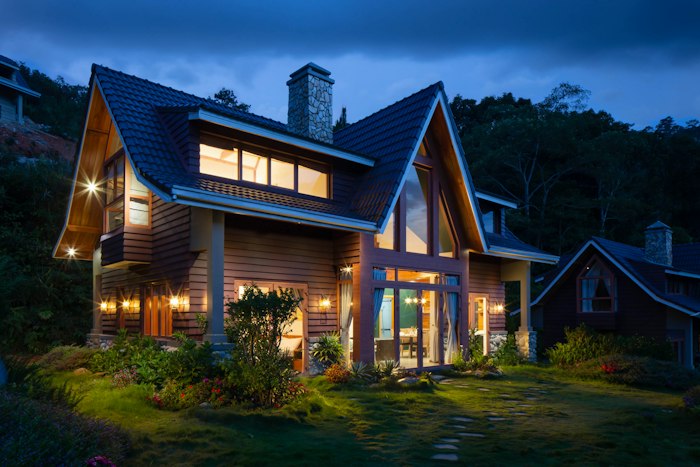
West Adams
Median $1,150,000
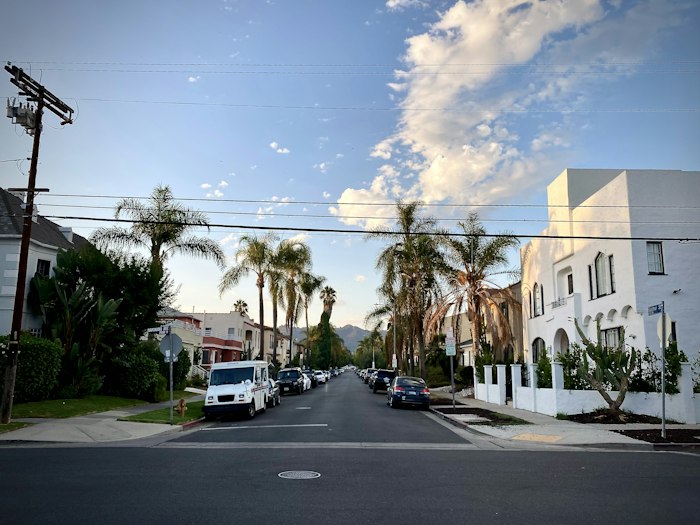
Mar Vista
Median $1,500,000
Both are appreciation-leading sub-$1.5M markets. The decision is about Craftsman architecture vs. Westside proximity.
West Adams and Mar Vista are the two most active appreciation-leading sub-$1.5M markets in greater LA, and they are the comparison thoughtful first-time and value-focused buyers should actually run. West Adams (Mid-Wilshire-adjacent, $1.15M median, 13.6% YoY) holds the highest density of preserved pre-1925 California Craftsman architecture in Los Angeles. Mar Vista (Westside, $1.5M median, 9.8% YoY) sits between Venice and Culver City with full Silicon Beach proximity and ADU yield potential. Both deliver exceptional appreciation but they serve different buyers. This comparison breaks down median price, days on market, appreciation, schools, lifestyle, buyer profile, and architectural typology for buyers choosing between two of LA's strongest forward-return positions.
West Adams covers a substantial swath of South-Central-adjacent Los Angeles from Crenshaw Boulevard east to La Cienega, bounded by Washington Boulevard to the south and the 10 freeway to the north. The neighborhood holds the highest density of preserved pre-1925 California Craftsman architecture in Los Angeles, including significant Greene & Greene-adjacent works in the Jefferson Park, West Adams Heights, and Sugar Hill historic districts. For most of the 20th century, West Adams was a primarily African American neighborhood. Beginning around 2015, the Metro Expo Line opening, USC real estate expansion, and creative-class migration from Highland Park and Echo Park reshaped the market. Median $1.15M, days on market 23, YoY appreciation 13.6% — the highest in LA County. The architecture is genuinely exceptional for the price point. Lot sizes are larger than current Westside averages (7,500 to 12,000 square feet). Forward returns likely strong through 3 to 5 years.
Mar Vista sits between Venice and Culver City — bounded by Venice Boulevard, Centinela Avenue, and the borders with Palms and Mar Vista Heights. The neighborhood has completed its transformation from affordable Westside option to a destination neighborhood with genuine character. Median $1.5M, days on market 17, YoY appreciation 9.8%. The neighborhood is within 10 to 15 minutes of Google, Amazon, Apple, Hulu, and Snap's major Westside offices. Lots are generally larger than Venice or Santa Monica (5,500 to 8,000 square feet), and the neighborhood's ADU yield potential is significant — well-built ADUs can generate $2,200 to $2,800 per month. The Sunday Farmers Market on Venice Boulevard is a community anchor. Many Mar Vista buyers are making their first Westside purchase after years of renting in Venice or Santa Monica.
LAUSD schools — Foshay Learning Center, Pio Pico Middle School, Audubon Middle School. Schools are a weaker dimension of West Adams's value proposition — most incoming family buyers commit to specific magnet placements or choose private alternatives (View Park Prep, Lycée Français, Brentwood School for those willing to commute).
LAUSD schools with active neighborhood involvement — Mar Vista Elementary, Stoner Avenue Elementary, Mark Twain Middle School. Strong magnet programs serve the area. Private alternatives within 10 minutes include Westside Neighborhood School, the New Roads School. Schools are stronger than West Adams but not at the SMMUSD or Culver City Unified tier.
Adams Boulevard chef-driven restaurants (Mizlala, Highly Likely, Alta Adams, Tartine's West Adams). Jefferson Park and West Adams Heights historic districts. Direct Metro Expo Line access to downtown and Santa Monica. USC cultural infrastructure adjacency. Historic Black community fabric remains strong despite gentrification dynamics.
Sunday Farmers Market on Venice Boulevard. Grandview Boulevard dining. 10 to 15 minutes to the beach. Strong commercial transformation along Venice Boulevard with new restaurants and coffee shops. The lifestyle is residential, family-oriented, and Westside-adjacent without the Venice or Santa Monica price premium.
West Adams holds the highest density of preserved pre-1925 California Craftsman architecture in Los Angeles. Jefferson Park, West Adams Heights, and Sugar Hill historic districts have significant concentrations of original Greene & Greene-adjacent Craftsman, Spanish Colonial Revival, Victorian, and early 20th-century streetcar-suburb housing stock. Larger lot sizes (7,500 to 12,000 square feet). Architectural quality is genuinely exceptional for the price point.
Mar Vista has a varied 20th-century mix — California Craftsman bungalows, Spanish Revival small-lot single-family, mid-century ranch homes, and post-war single-family. Lot sizes 5,500 to 8,000 square feet support strong ADU potential. Less architecturally distinctive than West Adams but more practically functional for modern living and renovation flexibility.
West Adams's 23-day average days-on-market reflects a market in transition. Well-priced restored Craftsman inventory in the historic districts can see 6 to 12 competing offers and 5 to 12% above-asking outcomes. The 13.6% YoY appreciation rate is the highest in LA County. Block-to-block variance is real and requires local expertise.
Mar Vista's 17-day average days-on-market is among the fastest on the Westside. Well-priced single-family routinely sees 6 to 10 competing offers and 4 to 8% above-asking outcomes. ADU-eligible properties trade at meaningful premiums. Spring through early summer sees strongest competition.
Best fit: Creative-class buyers (design professionals, film, music, tech) priced out of Highland Park or Echo Park looking for Craftsman bones at sub-$1.5M. Investors targeting LA County's fastest-appreciating submarket. Architecture-focused buyers comfortable with early-cycle gentrification dynamics.
Best fit: First-time and second-time Westside buyers seeking value at sub-$1.5M while keeping Silicon Beach proximity. Dual-career professionals. Investors interested in ADU yield (Mar Vista lot sizes support strong ADU returns). Families seeking Westside school access without Venice or Culver City premium.
Investment thesis: West Adams is the highest-velocity early-cycle play in LA County (13.6% YoY) with exceptional preserved Craftsman architecture providing structural protection against teardown cycles. Forward returns likely 10 to 14% annually through 3 to 5 years, compressing as gentrification matures. Mar Vista is a steady Westside value play (9 to 11% appreciation band) with ADU yield enhancement and structural Silicon Beach demand. For maximum appreciation upside with architecture focus, West Adams. For Westside proximity plus ADU yield plus more stable family fundamentals, Mar Vista. Both are exceptional opportunities for value-oriented buyers.
West Adams wins on appreciation rate, architectural density, entry price, and Metro Expo Line access. Mar Vista wins on Westside proximity, ADU yield potential, stronger neighborhood schools, and lower volatility. Both are exceptional sub-$1.5M opportunities. If you want maximum appreciation potential and Craftsman architecture, West Adams. If you want Westside proximity, ADU yield, and steadier family fundamentals, Mar Vista.
"These are two of the strongest sub-$1.5M markets in greater LA right now. The honest test: where do you want to live and what kind of architecture do you want? West Adams has the architecture — pre-1925 Craftsman density that does not exist anywhere else in LA at this price. Mar Vista has the Westside — Silicon Beach proximity, beach access, ADU yield. Both have strong forward returns. The risk profiles differ — West Adams is earlier-cycle with gentrification dynamics that require thoughtful buyer participation; Mar Vista is more mature with steadier family fundamentals. I have closed in both this year. Be honest about whether you want a 1908 Craftsman 20 minutes from downtown or a renovated bungalow 15 minutes from the beach."
Talk to Anthony — Free →Mar Vista is more expensive at $1.5M median versus West Adams at $1.15M — a $350K gap. The premium reflects Westside proximity, stronger school options, and more established neighborhood fundamentals.
West Adams, by a meaningful margin — 13.6% YoY versus Mar Vista at 9.8%. West Adams is the fastest-appreciating market in LA County. Both are exceptional rates; the difference reflects West Adams's earlier-cycle dynamics and architecture-collector demand.
Mar Vista, by a clear margin. Mar Vista has LAUSD schools with active neighborhood involvement and stronger magnet program access. West Adams schools are weaker — most incoming family buyers commit to magnet placements or private alternatives.
Mar Vista, decisively. Lot sizes 5,500 to 8,000 square feet support strong ADU yields ($2,200 to $2,800 per month for well-built units). West Adams has larger lots but the rental demand profile differs and ADU yields are less established.
West Adams, by a wide margin. West Adams holds the highest density of preserved pre-1925 California Craftsman architecture in Los Angeles, including Greene & Greene-adjacent works in the historic preservation districts. Mar Vista has a varied 20th-century mix but less architectural concentration.
Both are first-time-buyer-friendly. West Adams has lower entry ($1.15M median) and faster appreciation. Mar Vista has stronger schools and Westside proximity. The choice depends on whether the buyer prioritizes maximum appreciation (West Adams) or established neighborhood fundamentals (Mar Vista).
Mar Vista, decisively. Mar Vista is within 10 to 15 minutes of Google, Amazon, Apple, Hulu, and Snap's major Westside offices. West Adams is 25 to 40 minutes from Silicon Beach corridor depending on traffic. For tech employees, Mar Vista is the clearly stronger choice.
West Adams and Mar Vista are both exceptional appreciation-leading sub-$1.5M markets, but they serve different buyer profiles. West Adams delivers LA County's fastest appreciation (13.6% YoY) and the densest preserved Craftsman architecture in LA at $1.15M median. Mar Vista delivers steady 9.8% Westside appreciation, Silicon Beach proximity, ADU yield potential, and stronger school options at $1.5M median. The right choice depends on architecture vs. Westside proximity, and on risk tolerance for early-cycle gentrification dynamics. Reach out for a free CMA and strategy conversation.