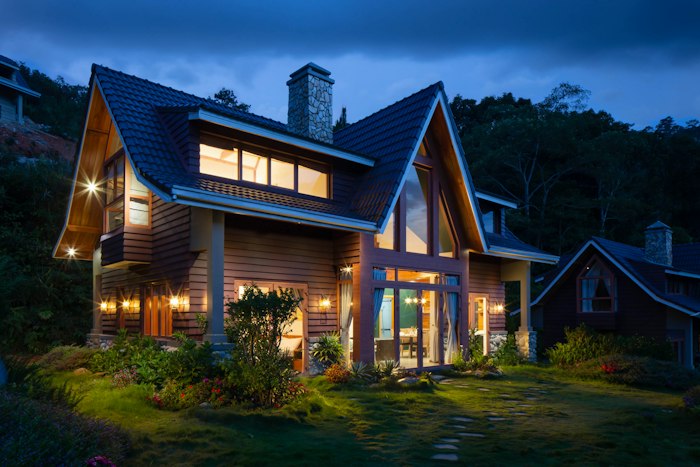
West Adams
Median $1,150,000
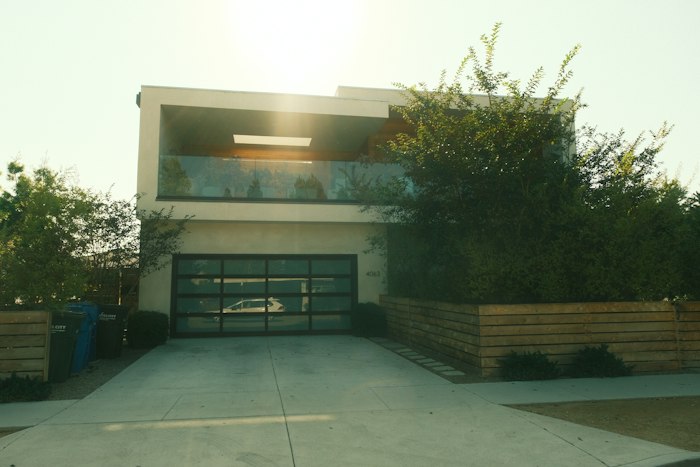
Culver City
Median $1,700,000
One is breaking out right now. The other already broke out. Where you buy depends on horizon and risk tolerance.
West Adams vs. Culver City is the comparison most buyers do not know to ask — and the one with the biggest potential return for buyers willing to think two cycles ahead. Culver City is the established Silicon Beach hub, with Apple, Amazon Studios, HBO, and Sony Pictures anchoring an 11.2% YoY appreciation rate and a $1.7M median. West Adams, just east across La Cienega and stretching to Crenshaw, is the historic Craftsman corridor that LA largely forgot — until the Metro Expo Line opened, USC expanded its real estate footprint, and a wave of investors and creative-class buyers discovered that West Adams holds the highest density of pre-1925 California Craftsman architecture in Los Angeles. Median sits at $1.15M, appreciation runs at a remarkable 13.6% YoY (the highest in LA County), and the buyer pool is rapidly diversifying from longtime African American homeowners to young creative-class buyers, design professionals, and investors seeking the next Highland Park or Echo Park. This comparison is honest about what each market is and what risks attach to each. By the end, you should know which one fits your timeline, your budget, and your appetite for early-cycle versus established-cycle investment.
West Adams is technically a historic district (West Adams Heights) but the broader West Adams area covers a substantial swath of South-Central-adjacent Los Angeles from Crenshaw Boulevard east to La Cienega, bounded roughly by Washington Boulevard to the south and the 10 freeway to the north. The neighborhood holds the highest density of preserved pre-1925 California Craftsman architecture in Los Angeles, including significant Greene & Greene-adjacent works, Sullivan Canyon-style estates, and original streetcar-suburb housing stock from the 1900s through 1920s. For most of the 20th century, West Adams was a primarily African American neighborhood with strong community fabric anchored by historic churches, the Jefferson Park Historic District, and longstanding family ownership. Beginning around 2015, three factors converged: the Metro Expo Line opened, providing direct rail access to downtown LA and Santa Monica; USC began a real estate expansion that reshaped the western edge of the neighborhood; and creative-class buyers priced out of Highland Park, Echo Park, and Silverlake began moving south and west looking for Craftsman bones at sub-$1.5M prices. Median sits at $1.15M, days on market 23, YoY appreciation 13.6% — the highest in LA County and roughly double the West LA average. The buyer pool is diversifying rapidly: longtime African American homeowners are selling at meaningful price gains, creative-class buyers (design professionals, film and music industry, tech) are entering at sub-$1.5M, and investors are competing for the highest-quality preserved Craftsman inventory. Risks attached to West Adams are real: the gentrification dynamics are politically and ethically complex, infrastructure improvements lag the pricing curve, and some submarkets have higher property crime than other LA neighborhoods. Buyers should walk specific streets with local expertise before committing.
Culver City has transformed faster than any other West LA submarket in the last decade. Originally built around the MGM studio lot and Sony Pictures, the city quietly added Apple, Amazon Studios, HBO Max, and a wave of creative agencies — turning downtown Culver into a daily working hub for several thousand tech and entertainment professionals. The city operates as its own municipality with its own school district (Culver City Unified), separate from LAUSD. Housing breaks across submarkets: the hillside neighborhoods above downtown (Carlson Park, Sunkist Park) have preserved Spanish Colonial and California Craftsman homes from the 1920s and 1930s on larger lots; the flats have mid-century single-family stock; downtown Culver has rebuilt around modern condos and live-work townhomes. Median sits at $1.7M, days on market 16 (the tightest in West LA), YoY appreciation 11.2%. Culver City Unified is widely considered one of the strongest public school systems on the Westside, driving significant family relocation demand. The walkability factor is real — buyers in downtown Culver can park their car on Friday and not touch it until Monday. The biggest gains in Culver City pricing are likely behind: the market is established, the employer story is largely priced in, and forward appreciation will likely run at the 8 to 11% band rather than continuing the 11.2% pace.
LAUSD schools — historically not a primary buyer driver in West Adams, though changing as more family buyers enter. Foshay Learning Center, Pio Pico Middle School, Audubon Middle School, and various magnet programs serve the area. USC's expansion has brought USC-affiliated school partnerships in some submarkets. Many incoming creative-class families either commit to specific magnet programs or choose private alternatives (View Park Prep, Lycée Français, Brentwood School for those willing to commute). Schools are a weaker dimension of West Adams's value proposition relative to Culver City — buyers prioritizing public schools should look elsewhere unless they qualify for specific magnet placements.
Culver City Unified is its own district — separate from LAUSD — and widely considered one of the strongest public school systems on the Westside. Linwood Howe Elementary, El Marino Language School (dual immersion Spanish/Japanese), La Ballona Elementary, Culver City Middle School, and Culver City High School all have strong reputations and drive significant family relocation demand. The school district premium is a primary driver of Culver City's pricing in the hillside family neighborhoods.
The West Adams cultural scene has reshaped quickly. Adams Boulevard now has a wave of chef-driven restaurants (Mizlala, Highly Likely, Alta Adams, Tartine's West Adams location) alongside long-standing community institutions. The Jefferson Park and West Adams Heights historic districts have walkable architectural tourism. Direct Metro Expo Line access to downtown and Santa Monica is a meaningful daily lifestyle differentiator. USC's expansion brings cultural infrastructure (Pardee Tower, Galen Center, USC Village). Community fabric remains strong despite gentrification dynamics — historic Black churches, longtime family residents, and community organizations are part of the daily texture.
Downtown Culver City is fully walkable. Platform shopping center, Citizen Public Market, Father's Office, Akasha, Vespertine. Kirk Douglas Theatre and the Culver Hotel anchor the cultural scene. The Metro Expo Line connects downtown Culver to Santa Monica and downtown LA without a car. The neighborhood feel is closer to a real city downtown than most West LA submarkets. Strong restaurant scene, strong retail, and active nightlife within walking distance of much of the city.
West Adams holds the highest density of preserved pre-1925 California Craftsman architecture in Los Angeles. The Jefferson Park, West Adams Heights, and Sugar Hill historic districts have significant concentrations of original Greene & Greene-adjacent Craftsman, Spanish Colonial Revival, Victorian, and early 20th-century streetcar-suburb housing stock. Lot sizes are larger than current Westside averages, often 7,500 to 12,000 square feet. Renovation activity is significant — many recent buyers have invested $200K to $500K in period-appropriate restoration. The architectural quality is genuinely exceptional for the price point, and the preserved historic character is meaningful protection against teardown-rebuild cycles that have damaged other LA neighborhoods.
Culver City's housing stock combines preserved Spanish Colonial and California Craftsman homes in the hillside neighborhoods (Carlson Park, Sunkist Park) with modern condo and townhome inventory in the rebuilt downtown core. The flats have mid-century ranch and post-war single-family on smaller lots. Downtown Culver has rebuilt around contemporary mid-rise condos along Washington Boulevard and live-work townhomes in the Hayden Tract. This architectural range means buyers can enter at $1.7M (older single-family in the hills) or $2.5M+ (modern downtown condos) within the same school district.
West Adams's 23-day average days-on-market reflects a market in transition. Original African American family homeowners selling to creative-class incoming buyers typically run longer due diligence cycles, often 4 to 6 weeks. Well-priced restored Craftsman inventory in the Jefferson Park and Sugar Hill historic districts can see 6 to 12 competing offers and 5 to 12% above-asking outcomes. Less-restored or larger renovation projects move slower. The 13.6% YoY appreciation rate is the highest in LA County — but it reflects a market that is rapidly repricing rather than a market with established stable demand. Forward returns are likely to remain strong through the next 3 to 5 years but may compress as the gentrification cycle matures.
Culver City's 16-day average days-on-market is the tightest in West LA. Well-priced single-family in the hills routinely sees 8 to 15 offers with 5 to 10% above-asking outcomes. Downtown condo inventory moves slightly slower because of building-specific HOA profiles. Spring through early summer sees strongest competition, timed to the school calendar. December offers the best buyer-side negotiating leverage. Off-market activity through tech-employee networks is meaningful in the $2M to $3M tier.
Best fit: Creative-class buyers (design professionals, film, music, tech) priced out of Highland Park or Echo Park looking for Craftsman bones at sub-$1.5M. Investors targeting LA County's fastest-appreciating submarket. Buyers comfortable with early-cycle gentrification dynamics and willing to walk specific streets with local expertise. Often first or second-time buyers, often single or pre-family stage.
Best fit: Dual-income tech, entertainment, or creative agency professionals in their 30s and 40s. Families specifically choosing Culver City Unified school district. Buyers who value walkability over square footage. Investors looking at established Silicon Beach hub with steady employer demand. Often first or second-time buyers in stable career stages.
Investment thesis: West Adams is the highest-velocity early-cycle play in LA County (13.6% YoY appreciation), with exceptional preserved Craftsman architecture providing structural protection against teardown cycles. Forward returns are likely strong through the next 3 to 5 years (potentially 10 to 14% annually) but compress as gentrification matures. Risks include political/ethical gentrification dynamics, infrastructure lag, and submarket variance that requires careful street-by-street selection. Culver City is the established Silicon Beach play with stable appreciation (8 to 11% forward band), Culver City Unified school district premium, and entrenched employer demand. Lower risk profile, lower forward upside. For investors with a 3 to 5 year horizon and risk tolerance for early-cycle dynamics, West Adams offers superior total return potential. For family buyers and capital preservation, Culver City's established fundamentals are the cleaner trade.
West Adams wins on entry price, appreciation upside, preserved Craftsman architecture, and the kind of early-cycle opportunity that LA only offers once per generation per neighborhood. Culver City wins on Silicon Beach employer proximity, top-tier schools, established stability, and lower risk. The right answer depends on what you are buying for. If you are buying for maximum appreciation over a 3 to 5 year horizon and you can navigate early-cycle gentrification dynamics with local expertise, West Adams is the higher-upside play. If you are buying a family home with school-age children or you prioritize established stability over maximum upside, Culver City is the cleaner trade. Both are exceptional opportunities; the choice depends on horizon, risk tolerance, and family configuration.
"West Adams is the comparison I most want buyers to ask me about, because it is the West LA story that almost nobody is positioned for yet. The Craftsman architecture is genuinely better than what is left in Highland Park or Eagle Rock at this point — those neighborhoods have been picked over. West Adams still has original 1908 to 1920 Greene & Greene-adjacent houses on 8,000 square foot lots at $1.1M to $1.3M. That is not a price that exists anywhere else in LA County for that quality of architecture. The honest catch is that you have to know which streets work and which do not — the variance from block to block is real. Culver City is a different bet entirely: lower risk, established cycle, family-ready. I have closed in both this year. If you are buying for appreciation with a 3 to 5 year horizon and you can walk West Adams with someone who knows the streets, the upside is genuinely exceptional. If you are buying a family home with school-age kids or you want established stability, Culver City is the answer. Be honest about which buyer you are — both have great forward returns but the risk profiles are not the same."
Talk to Anthony — Free →Yes, materially. The combination of Metro Expo Line access, USC expansion, and continued creative-class migration has stabilized many West Adams submarkets significantly. Property crime remains higher than West LA averages in specific submarkets — careful street-by-street selection matters more here than in established Westside neighborhoods. Local expertise is essential.
West Adams is appreciating faster at 13.6% YoY versus Culver City at 11.2% — though both are exceptional rates. West Adams's higher appreciation reflects earlier-cycle dynamics; Culver City's appreciation is in a more established band. Forward 3 to 5 year returns likely favor West Adams (potentially 10 to 14% annually) but Culver City offers lower variance.
Culver City, by a clear margin. Culver City Unified is its own district and ranks among the Westside's strongest. West Adams is LAUSD with magnet program availability — buyers prioritizing public schools should choose Culver City unless they qualify for specific magnet placements or are committed to private school.
Yes, and that has real ethical and political dimensions. West Adams was historically a primarily African American neighborhood with strong community fabric. The current price appreciation reflects creative-class incoming buyers and investor activity displacing longtime residents. Many incoming buyers are explicitly thoughtful about this — supporting local Black-owned businesses, respecting community history, and participating in neighborhood organizations. Others are not. How buyers participate matters.
Depends on profile. West Adams at $1.15M median is more accessible than Culver City at $1.7M. The Craftsman architecture and appreciation rate make it attractive for first-time buyers with risk tolerance. Culver City is more established and lower-risk but more expensive. Both are first-time buyer candidates depending on budget and priorities.
West Adams averages 23 days, Culver City averages 16 days. Culver City's tighter market reflects employer-driven demand and limited inventory. West Adams's slower velocity reflects a market in transition with longer due diligence cycles. Both are competitive — multiple offers and above-asking outcomes are common in both.
West Adams, for buyers comfortable with risk. The 13.6% YoY appreciation rate is the highest in LA County and forward returns are likely strong through the next 3 to 5 years. Culver City is more established and lower-risk but with lower forward upside. For appreciation-focused buyers with a defined exit horizon, West Adams is the higher-return trade.
Culver City, by a clear margin. Culver City Unified school district, established municipal infrastructure, and entrenched employer demand make it the cleaner long-term family hold. West Adams is currently in a transitional cycle — long-term outcomes depend on how the gentrification dynamics resolve and how infrastructure investment matches the pricing curve. For families with school-age children and multi-decade hold horizons, Culver City is the more predictable trade.
West Adams and Culver City both have strong forward returns, but they serve fundamentally different buyer profiles and risk appetites. West Adams delivers the highest appreciation in LA County (13.6% YoY), exceptional preserved Craftsman architecture, and a sub-$1.5M entry point — with real risks attached (gentrification dynamics, infrastructure lag, transitional submarket dynamics). Culver City delivers established Silicon Beach employer proximity, top-tier schools, and steady 11.2% appreciation at $1.7M median — established and lower-risk but with the biggest gains likely behind it. The right choice depends entirely on horizon and risk tolerance. Before committing on either, walk specific streets with local expertise — both neighborhoods have submarkets where the right block is dramatically different from the wrong one. Reach out for a free CMA and strategy conversation.