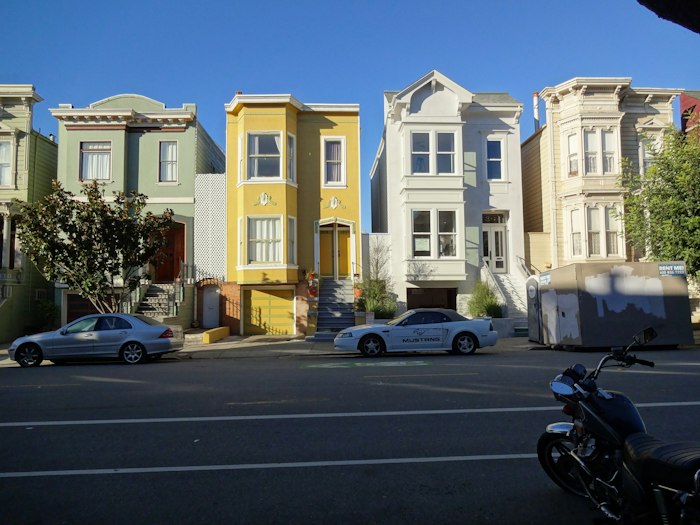
Venice
Median $2,100,000
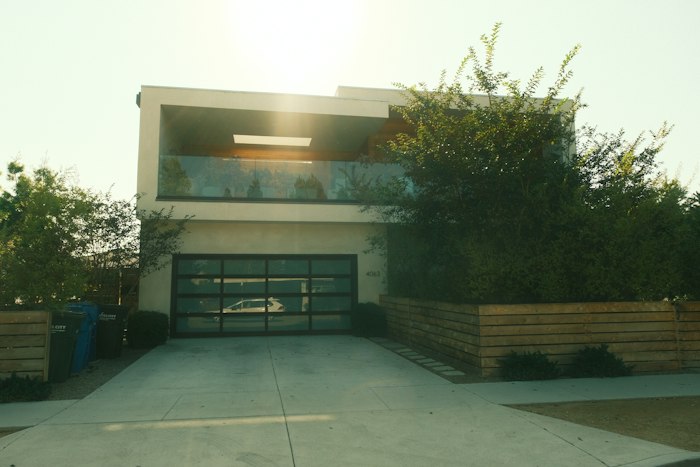
Culver City
Median $1,700,000
Both are anchor Silicon Beach markets. The decision is about coastal vs corridor.
Venice and Culver City are the two anchor markets of Silicon Beach, and they routinely compete for the same tech and entertainment buyer pool. Venice runs from Rose Avenue down to Washington Boulevard, anchored by the Snapchat and Google offices on Main Street, the Abbot Kinney commercial spine, and the canal architecture along the Linnie and Carroll canals. Culver City sits inland, organized around the rebuilt downtown core that hosts Apple, Amazon Studios, HBO Max, and Sony Pictures, with Culver City Unified as the dominant school district premium driver. Median pricing reflects different products: $2.1M in Venice (coastal, canal-adjacent, smaller-lot) versus $1.7M in Culver City (inland, hillside-or-downtown, school-district-anchored). Both deliver exceptional appreciation — Venice at 9.3% YoY, Culver City at 11.2% YoY. The decision between them comes down to whether you prioritize coastal lifestyle and ADU yield (Venice) or established tech corridor proximity and Culver City Unified schools (Culver City). This comparison breaks down what matters for buyers choosing between Silicon Beach's two anchor markets.
Venice is the highest-velocity creative-class market in coastal LA. Originally built as a canal-and-pier resort, Venice has reinvented itself multiple times — beat poet enclave, surf culture, then bohemia, then tech. The Snapchat and Google offices on Main Street made Venice the original Silicon Beach, and the spillover effects are still working through pricing. Median sits at $2.1M, days on market 18, YoY appreciation 9.3%. The architectural mix is extraordinary: original beach cottages, Frank Gehry early work, contemporary glass-and-steel rebuilds, canal-front Cape Cods on the Linnie and Carroll canals. ADU returns in Venice are among the highest in LA — well-positioned ADUs on lots within a half-mile of Abbot Kinney generate 18%+ cap rates because of short-term rental demand. Buyers here are often creative-class professionals in their 30s and 40s, tech founders, design industry, film and music — buyers who actively want the energy of Abbot Kinney within walking distance and the daily access to the beach.
Culver City has transformed faster than any other West LA submarket in the last decade. Originally built around the MGM studio lot and Sony Pictures, the city quietly added Apple, Amazon Studios, HBO Max, and a wave of creative agencies — turning downtown Culver into a daily working hub for several thousand tech and entertainment professionals. The city operates as its own municipality with its own school district (Culver City Unified). Housing breaks across submarkets: the hillside neighborhoods (Carlson Park, Sunkist Park) have preserved Spanish Colonial and California Craftsman homes from the 1920s and 1930s on larger lots; the flats have mid-century ranch and post-war single-family stock; downtown Culver has rebuilt around modern condos and live-work townhomes. Median $1.7M, days on market 16 (tightest in West LA), YoY appreciation 11.2% (fastest in West LA). Culver City Unified is widely considered one of the strongest public school systems on the Westside, driving significant family relocation demand.
LAUSD with active community involvement. Coeur d'Alene Elementary, Westminster Avenue Elementary, Mark Twain Middle School. Strong private alternatives within 10 minutes including Crossroads, Wildwood, and Vistamar. Schools are less of a buyer driver here than in Culver City — Venice buyers often prioritize lifestyle and ADU yield over public school strength.
Culver City Unified is its own district — separate from LAUSD — and widely considered one of the strongest public school systems on the Westside. Linwood Howe Elementary, El Marino Language School (dual immersion Spanish/Japanese), La Ballona Elementary, Culver City Middle School, and Culver City High School all have strong reputations and drive significant family relocation demand.
Abbot Kinney Boulevard is the cultural spine — design retail, chef-driven restaurants, gallery district. The boardwalk and the canals each have their own micro-cultures. Felix, Gjelina, Gjusta, The Tasting Kitchen anchor the dining scene. Stronger nightlife than Culver City. Direct beach access. The lifestyle is coastal creative-class with high design density.
Downtown Culver City is fully walkable. Platform shopping center, Citizen Public Market, Father's Office, Akasha, Vespertine. Kirk Douglas Theatre and the Culver Hotel anchor the cultural scene. The Metro Expo Line connects to Santa Monica and downtown LA without a car. The neighborhood feel is closer to a real city downtown than most West LA submarkets. Strong restaurant scene, strong retail.
Venice has one of the most architecturally diverse housing stocks on the Westside. The Linnie and Carroll canals have original 1900s Craftsman canal-front bungalows alongside contemporary glass rebuilds. The Oakwood and Milwood districts have working-class 1920s and 1930s bungalows mixed with modern infill. The walk streets near Abbot Kinney have a unique character — pedestrian-only courts with cottages and contemporary homes side by side. Frank Gehry's early work is scattered throughout. ADUs are common and well-yielding.
Culver City's housing stock combines preserved Spanish Colonial and California Craftsman homes in the hillside neighborhoods (Carlson Park, Sunkist Park) with modern condo and townhome inventory in the rebuilt downtown core. The flats have mid-century ranch and post-war single-family on smaller lots. Downtown Culver has rebuilt around contemporary mid-rise condos along Washington Boulevard and live-work townhomes in the Hayden Tract.
Venice's 18-day average days-on-market and 9.3% YoY appreciation reflect concentrated creative-class and tech-buyer demand. Canal-front and Abbot Kinney-adjacent inventory routinely sees 8 to 14 offers and 4 to 8% above-asking results. Inventory is structurally limited because Venice has minimal new construction capacity — most lots are already built out, and rebuild cycles are long because of permit complexity. ADU-eligible properties trade at meaningful premiums because of the documented 18%+ cap rate potential.
Culver City's 16-day average days-on-market is the tightest in West LA. Well-priced single-family in the hills routinely sees 8 to 15 offers with 5 to 10% above-asking outcomes. Downtown condo inventory moves slightly slower because of building-specific HOA and amenity profiles. Spring through early summer sees strongest competition, timed to the school calendar. December offers the best buyer-side negotiating leverage.
Best fit: Creative-class professionals, tech founders, design and entertainment industry. Buyers in their 30s and 40s. Investors interested in ADU yield. Buyers who want coastal living with daily access to high-design retail and dining. Strong concentration of single-professional and dual-professional pre-family buyers.
Best fit: Dual-income tech, entertainment, or creative agency professionals in their 30s and 40s. Families specifically choosing Culver City Unified school district. Buyers who value walkability over square footage. Investors looking at the strongest appreciation track record in West LA. More family-oriented buyer pool than Venice.
Investment thesis: Venice is a coastal creative-class hold with strong appreciation (8 to 11% band) and meaningful ADU yield enhancement (18%+ cap rates available on well-positioned lots). Structural inventory scarcity (built-out neighborhood, slow rebuild cycles) supports value through cycles. Culver City is the West LA appreciation leader at 11.2% YoY, backed by tech employer concentration (Apple, Amazon, HBO, Sony) plus Culver City Unified school district. For yield-focused investors and coastal-lifestyle buyers, Venice delivers superior risk-adjusted return when ADU economics are factored in. For family buyers prioritizing Culver City Unified and Silicon Beach corridor proximity, Culver City delivers steadier fundamentals and faster appreciation. Both are exceptional generational holds for the right buyer profile.
Venice wins on coastal lifestyle, canal architecture, ADU yield potential, and Abbot Kinney commercial density. Culver City wins on entry price, appreciation speed, Culver City Unified school district, and the largest concentration of Silicon Beach employers. The two markets serve overlapping but distinct buyer profiles — the Venice buyer prioritizes coastal lifestyle and yield, the Culver City buyer prioritizes family-anchored stability and tech corridor proximity. Both are exceptional Silicon Beach positions. If you want coastal living with creative-class energy and ADU returns, Venice. If you want family-ready schools, fastest West LA appreciation, and walking-distance tech employer access, Culver City.
"These two markets compete for similar buyers but the lifestyle is genuinely different. Venice is coastal — actual beach, actual surf, actual canal architecture, the Abbot Kinney density. If you want to walk to the beach on Saturday morning and walk to design retail on Saturday afternoon, Venice is the only answer. Culver City is established Silicon Beach — the tech employer concentration is unmatched, the school district is real, walking-distance commute matters. If you work at Apple, Amazon, HBO, or Sony and you want a family-ready neighborhood, Culver City. The honest test: where do you spend your weekends? If the answer is the beach, Venice and pay the $400K premium for direct coastal access plus ADU yield. If the answer is family activities, schools, walkable downtown, Culver City is the cleaner trade and the appreciation is faster anyway. I have closed in both markets this year and the buyer profiles are not the same."
Talk to Anthony — Free →Venice is more expensive, with a median of $2.1M compared to Culver City at $1.7M — a $400K gap. The premium reflects coastal proximity, canal architecture, Abbot Kinney commercial density, and ADU yield potential. Culver City's lower median is partially offset by faster appreciation.
Culver City, by a meaningful margin. Culver City is appreciating at 11.2% YoY versus Venice at 9.3%. Culver City's appreciation is the fastest in West LA, driven by tech employer concentration (Apple, Amazon, HBO, Sony) and family relocation demand for Culver City Unified.
Culver City, decisively. Culver City Unified is its own district, separate from LAUSD, and widely considered one of the strongest public school systems on the Westside. Venice schools are LAUSD with strong neighborhood involvement but less brand recognition. For families prioritizing public schools, Culver City is the cleaner choice.
Venice, by a clear margin. Well-positioned ADUs within walking distance of Abbot Kinney generate 18%+ cap rates because of strong short-term and creative-class rental demand. Culver City has lower ADU yields and stricter local enforcement of short-term rentals.
Depends on which company. Snapchat, Google, and earlier Silicon Beach tenants concentrated in Venice. Apple, Amazon Studios, HBO Max, and Sony Pictures concentrated in Culver City. The walking-distance commute matters — if your office is in Venice, Venice; if your office is in Culver, Culver. Tech professionals working remotely or commuting to Century City or downtown may prefer Culver City's broader Metro Expo Line access.
Culver City averages 16 days, Venice averages 18 days. Both are tight markets — multiple offers are common and well-priced homes often sell above asking within the first week. Culver City's slightly tighter market reflects employer-driven demand and Culver City Unified relocation timing.
Culver City, primarily because of Culver City Unified. For families with school-age children planning multi-decade holds, the school district premium plus the established tech employer concentration creates the stronger long-term fundamental. Venice works for creative-class families who prioritize coastal lifestyle over public school strength, but the school path typically requires private alternatives or careful magnet placement.
Venice and Culver City are both anchor Silicon Beach markets with exceptional fundamentals, but they serve different buyer profiles. Venice delivers coastal creative-class lifestyle, canal architecture, Abbot Kinney commercial density, and 18%+ ADU cap rates at $2.1M median. Culver City delivers established tech corridor proximity, Culver City Unified school district, walkable downtown rhythm, and fastest West LA appreciation at $1.7M median. The right choice depends on whether you prioritize coastal lifestyle and yield (Venice) or family-anchored school district plus the largest tech employer concentration (Culver City). Before committing on either, walk both during a weekday morning to feel the difference in rhythm. Reach out for a free CMA and strategy conversation.