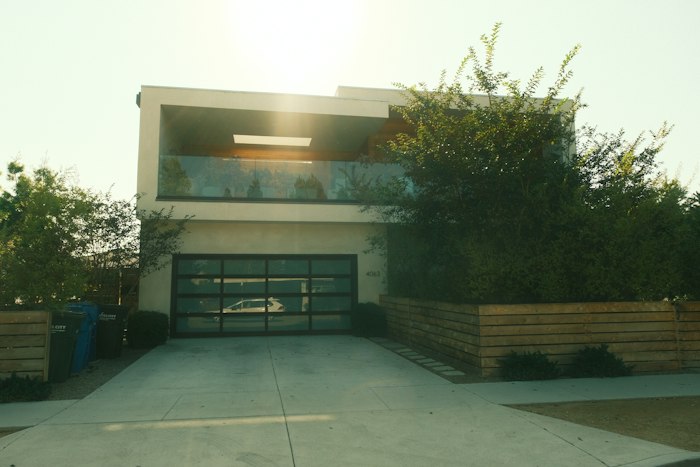
Culver City
Median $1,700,000
West Hollywood
Median $1,400,000
Two urban, walkable West LA markets at similar price points.
Culver City and West Hollywood are the two most consistently walkable, urban-feeling neighborhoods in West LA at sub-$2M price points — but the comparison gets interesting because they are walkable for entirely different reasons. Culver City has emerged as the Silicon Beach center of gravity, anchored by Apple, Amazon Studios, HBO Max, and a tech-and-entertainment workforce that has reshaped downtown Culver into a daily working hub. West Hollywood is the original West LA walkable city — its own municipality with its own government, anchored by the Sunset Strip, the design district along Melrose, and a concentrated condo market that has historically attracted single professionals, creative class buyers, and renters who eventually purchase. The price points are similar (and Culver City has now overtaken WeHo on median), but the trajectories are very different. Culver City is appreciating at 11.2% — the fastest in West LA. West Hollywood is appreciating at 7.1% — solid, but no longer leading. This comparison breaks down what each market actually offers.
Culver City's transformation has been the single biggest West LA story of the last decade. Originally an industrial and studio town built around MGM and Sony Pictures, the city quietly added Apple, Amazon Studios, HBO Max, and a wave of creative agencies — turning downtown Culver into a daily working hub for several thousand tech and entertainment professionals. The housing stock is unusual for the price point: the hills above downtown have preserved Spanish Colonial and mid-century single-family at $1.7M to $3M, while downtown has rebuilt around modern condos and townhomes. Days on market average 16 — the tightest in West LA — and YoY appreciation is 11.2%, exceptional by any measure. Culver City Unified is its own school district, separate from LAUSD, and is widely considered one of the strongest public systems on the Westside, which has accelerated family relocation. The strategic case is twofold: employer concentration creates structural demand, and the school district creates structural family demand. Both are durable.
West Hollywood is its own municipality — separate from Los Angeles — with its own government, police, and zoning. The city is unusually small (about 1.9 square miles) and unusually dense, anchored by the Sunset Strip's commercial corridor, the Pacific Design Center, and the Melrose design district. Housing stock is predominantly condo and apartment — most single-family inventory is in the eastern flats near Beverly Boulevard, while the bulk of WeHo trades as condo units in mid-rise and high-rise buildings. Median is $1.4M, days on market average 22, and YoY appreciation is 7.1%. The buyer profile is heavily single-professional and creative-class, with strong international and second-home buyer interest along the Strip. The condo-heavy housing stock makes WeHo one of the strongest rental investment markets in LA — short and medium-term rental demand from creative industry, entertainment, and tourism is structurally high. The risk is the lack of single-family inventory limits the kind of buyer who can plant a multi-decade family flag.
Culver City Unified — its own district, widely considered one of the strongest public school systems on the Westside. Linwood Howe Elementary, El Marino Language School (dual immersion Spanish/Japanese), Culver City High. Driver of significant family relocation demand.
LAUSD with limited public school options inside WeHo itself. Buyers with school-age children often enroll in private schools (Marlborough, Harvard-Westlake middle, Buckley) or relocate. Schools are not a primary buyer driver in West Hollywood.
Downtown Culver City is fully walkable. Platform shopping center, Citizen Public Market, Father's Office, Akasha, Vespertine. Kirk Douglas Theatre and the Culver Hotel anchor culture. The Expo Line connects to Santa Monica and downtown LA without a car. Quieter nightlife than West Hollywood.
The Sunset Strip, Melrose design district, Pacific Design Center. Concentrated nightlife — bars, clubs, late-night dining. Strong gym, fitness, and wellness market. Less family-oriented, more single-professional and creative-class daily life.
Culver City's housing stock combines preserved Spanish Colonial and California Craftsman homes in the hillside neighborhoods above downtown with modern condo and townhome inventory in the rebuilt downtown core. Carlson Park and Sunkist Park hold the most desirable preserved single-family inventory, on 5,500 to 8,000 square foot lots. Downtown Culver has rebuilt around contemporary mid-rise condos along Washington Boulevard and live-work townhomes in the Hayden Tract. The Studio Village neighborhood near Sony Pictures has mid-century single-family stock at competitive entry points. This architectural range means buyers can enter at $1.7M (older single-family in the hills) or $2.5M+ (modern downtown condos) and remain within the same school district and walkability radius.
West Hollywood's housing stock is overwhelmingly condo and multi-family — by zoning and by historical development pattern. The Sunset Strip corridor has mid-rise and high-rise condo buildings dating from the 1960s through contemporary builds, with varying architectural significance. The Norma Triangle has preserved bungalows and 1920s multi-family. The eastern flats near Beverly Boulevard have older single-family Spanish and Craftsman inventory at competitive price points relative to Beverly Hills proper. The Pacific Design Center and the surrounding design district have a concentration of architecturally significant commercial buildings that inform the residential character. Single-family inventory inside WeHo proper is limited; buyers prioritizing single-family should expand search to the eastern flats or West Hollywood-adjacent areas.
Culver City's 16-day average days-on-market is the tightest in West LA and reflects the depth of demand from tech employers and family relocations driven by Culver City Unified. Well-priced single-family in the hills routinely sees 8 to 15 offers, with 5 to 10% above-asking outcomes common. Downtown condo inventory moves slightly slower because of building-specific HOA and amenity profiles. Spring through early summer sees the strongest competition, timed to the school calendar. December offers the best buyer-side negotiating leverage. Off-market activity through tech-employee networks is meaningful in the $2M to $3M tier.
West Hollywood's 22-day average days-on-market reflects predominantly condo inventory and a creative-class buyer pool that runs more variable due diligence cycles. The Sunset Strip condo market has high price dispersion based on building reputation, HOA fees, and view orientation — careful comparable analysis is essential. Single-family inventory in the eastern flats moves faster (sub-18 days) but is limited. Rental and short-term-rental investor activity is significant; buyers underwriting for income should model rental restrictions and HOA limitations carefully. 7.1% YoY appreciation is steady, not explosive. Seasonal demand peaks in spring and early summer, with stronger buyer-side leverage available in late fall.
Best fit: Dual-income tech, entertainment, or creative agency professionals in their 30s and 40s. Families specifically choosing the Culver City Unified school district. Investors seeking the strongest appreciation track record in West LA.
Best fit: Single professionals, creative-class buyers, and investors interested in concentrated condo and rental inventory. Buyers prioritizing nightlife, walkable design district, and proximity to entertainment industry employers.
Investment thesis: Culver City is the West LA appreciation leader at 11.2% YoY, backed by tech employer concentration (Apple, Amazon, HBO) plus Culver City Unified school district — the combination creates a structural demand floor unusual for the price point. West Hollywood is a condo-focused investment market with strong rental yield from creative-industry and entertainment tenants but slower appreciation (7.1% YoY). For appreciation-focused buyers and families, Culver City is decisively the stronger trade. For condo investors prioritizing current yield and rental income from a concentrated walkable district, West Hollywood remains a viable strategy. The two markets serve fundamentally different investor profiles and the strategic fit depends entirely on buyer objectives.
Culver City for long-term appreciation, school district strength, Silicon Beach employer proximity, and a stronger single-family market. West Hollywood for a lower entry point on condos, walkable nightlife, design district proximity, and strong condo rental returns. Culver City has decisively overtaken WeHo on both median price and appreciation, reflecting the employer and school district fundamentals. WeHo remains a strong play for condo investors and single-professional buyers who actively want the WeHo lifestyle. The right answer depends on whether you are buying a family home or a condo, and whether you prioritize appreciation or current lifestyle fit.
"Culver City is in a different appreciation tier right now. 11.2% YoY is exceptional and the combination of Apple, Amazon, HBO, and Culver City Unified is creating the kind of structural demand floor that does not show up in many West LA markets. West Hollywood is great for investors who want rental income from condos near the Strip and the design district — different strategy, both valid. If you are buying a family home or a single-family with appreciation upside, Culver City. If you are buying a condo for yourself or as a rental and you want walkable nightlife, West Hollywood. I have closed in both markets and the buyer profiles are not the same — be honest about which one you are."
Talk to Anthony — Free →Culver City is now more expensive, with a median of $1.7M versus West Hollywood at $1.4M. Culver City has overtaken WeHo on median over the past three years, driven by employer concentration and school district strength.
Culver City, by a meaningful margin. Culver City is appreciating at 11.2% YoY versus West Hollywood at 7.1%. Culver City's appreciation is the fastest in West LA, driven by tech employer concentration and family relocation demand.
Culver City, clearly. Culver City Unified is its own district and is widely ranked among the strongest public school systems on the Westside. West Hollywood has limited public school options and most school-focused families choose private alternatives or relocate.
West Hollywood, on volume and rental yield. WeHo is condo-dominant by housing stock and has structurally strong short- and medium-term rental demand from creative industry and entertainment. Culver City has fewer condo options and more single-family inventory.
Culver City averages 16 days — the tightest in West LA. West Hollywood averages 22 days. Culver City's tighter market reflects employer-driven demand and limited inventory.
Culver City, primarily because of Culver City Unified. WeHo is structurally a single-professional and creative-class market with limited family infrastructure (schools, parks, single-family inventory). Families relocating to West LA increasingly choose Culver City specifically for the school district.
Culver City and West Hollywood serve fundamentally different buyer profiles despite similar price points. Culver City delivers Silicon Beach employer proximity, the strongest West LA school district, and the fastest appreciation track record at $1.7M median. West Hollywood delivers walkable nightlife, design district proximity, and condo inventory depth at $1.4M median. There is no objectively correct choice — only the choice that matches your buyer profile: family versus single, single-family versus condo, appreciation focus versus current lifestyle fit. Before committing on either, the right move is to walk specific properties with someone who has closed in both markets. Reach out for a free CMA and strategy conversation.