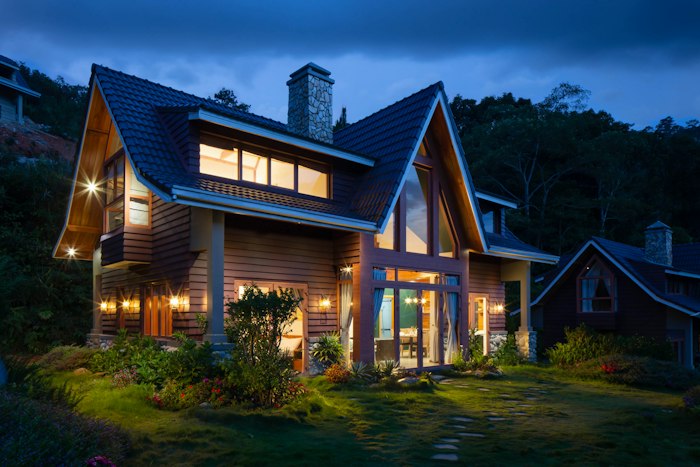
Beverly Grove
Median $1,650,000
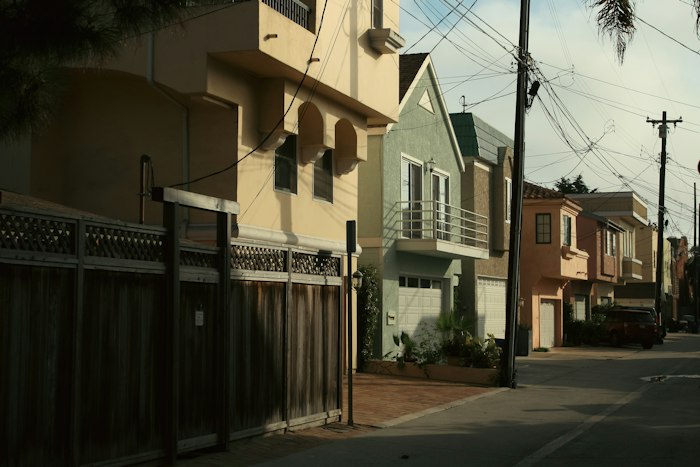
West Hollywood
Median $1,400,000
Two adjacent walkable LA neighborhoods. Different zoning, different vibe, different price floor.
Beverly Grove and West Hollywood share a border at the corner of La Cienega and Beverly Boulevard, but the two neighborhoods are functionally different markets with different buyer pools. Beverly Grove (zip 90048, sometimes called the "Beverly Center area") is part of the City of Los Angeles, with a housing stock weighted toward single-family homes, small-lot condos, and mid-century apartment buildings on tree-lined residential streets. West Hollywood is its own independent municipality with its own city government, its own rent control regime, and a housing stock weighted heavily toward condominium and multi-family inventory. The two neighborhoods are walkable to each other in 10 minutes but they function as distinct markets with different price floors, different daily rhythms, and different long-term hold characteristics. This comparison breaks down median price, days on market, appreciation, schools, lifestyle, buyer profile, and the strategic case for each side.
Beverly Grove occupies the wedge between Beverly Hills (to the west), the Fairfax District (to the east), Wilshire Boulevard (to the south), and Melrose Avenue (to the north). The zip code 90048 covers most of the neighborhood and overlaps slightly with Beverly Center and Cedars-Sinai Medical Center adjacencies. The housing stock breaks into several distinct zones. The streets between Beverly Boulevard and Melrose Avenue have preserved Spanish bungalows, California Craftsman duplexes, and original 1920s and 1930s small-lot single-family homes on 4,500 to 7,000 square foot lots. Median sits at $1.65M, days on market 24, YoY appreciation 7.6%. The area immediately around the Beverly Center has higher-density condo and apartment inventory dating from the 1960s through contemporary builds. The buyer profile skews single-professional, dual-career creative-class households, medical professionals affiliated with Cedars-Sinai, and design industry buyers who want walkable proximity to the design district without the WeHo condo-dominant inventory. The streets between Melrose and Santa Monica Boulevards have some of the most desirable small-lot single-family inventory in central LA — pre-war character, walkable lot density, and proximity to both Beverly Hills and West Hollywood retail.
West Hollywood is an independent city — separate municipality, its own city council, separate police force, separate development politics — and that municipal independence is structurally the most important fact about it. The city covers roughly 1.9 square miles bounded by Beverly Hills to the west, the Hollywood Hills to the north, the Fairfax District to the east, and Beverly Boulevard to the south. WeHo's housing stock is overwhelmingly condo and multi-family — by zoning and by historical development pattern. The Sunset Strip corridor has mid-rise and high-rise condo buildings dating from the 1960s through contemporary builds, with varying architectural significance (the Sierra Towers, the Empire West, and contemporary developments like the Charles Court). The Norma Triangle has preserved bungalows and 1920s multi-family. The eastern flats near Beverly Boulevard have older single-family Spanish and Craftsman inventory at competitive price points relative to Beverly Hills proper. Median sits at $1.4M, days on market 22, YoY appreciation 7.1%. WeHo's rent control regime is among the toughest in California for pre-1979 buildings, which materially affects investment underwriting. The Pacific Design Center and surrounding design district anchor the commercial scene.
LAUSD schools — Hancock Park Elementary, Fairfax Senior High, and various magnet programs serve parts of the neighborhood. Beverly Grove is not a primary family neighborhood — public school strength is not a primary buyer driver here. Strong private options nearby including Center for Early Education, Hillel Hebrew Academy, and Marlborough School are accessible within 10 minutes. For families prioritizing public schools, neighborhoods like Beverly Hills (BHUSD) or Santa Monica (SMMUSD) offer materially stronger options.
LAUSD with limited family infrastructure. West Hollywood Elementary serves the neighborhood. Given WeHo's high concentration of single-professional and creative-class buyers without school-age children, public schools are not a primary value driver here. Strong private alternatives within 10 minutes including Crossroads, Emerson, and Campbell Hall. WeHo is structurally a single-professional and creative-class market with limited family infrastructure (schools, parks, single-family inventory).
Walking distance to the Beverly Center, Cedars-Sinai, the Pacific Design Center, and the broader Melrose retail corridor. Restaurants concentrate along Beverly Boulevard (Catch, Cecconi's, Sushi Park) and Melrose (Marco Polo, Republique). The area has more residential rhythm than WeHo proper — less nightlife noise, more single-family streets, faster daily access to both Beverly Hills and the Fairfax District.
Sunset Strip nightlife, Santa Monica Boulevard's LGBTQ+ cultural anchor, Melrose Avenue retail, the Pacific Design Center, and SoHo House anchor the cultural scene. Walking distance to many of the most prominent LA restaurants (Catch, Cecconi's, The Nice Guy, Delilah). Strong farmers market on Monday evenings. The lifestyle is dense, urban, and event-driven rather than community-driven.
Beverly Grove preserves significant small-lot single-family architecture from the 1920s and 1930s — Spanish bungalows, California Craftsman duplexes, and preserved pre-war housing stock on 4,500 to 7,000 square foot lots. The streets between Beverly and Melrose have some of the most desirable preserved pre-war inventory in central LA. The area immediately around the Beverly Center has 1960s-1970s mid-rise condo buildings. Renovation activity is significant — many homes have been thoughtfully restored with period-appropriate updates.
West Hollywood's housing stock is overwhelmingly condo and multi-family. The Sunset Strip corridor has mid-rise and high-rise condo buildings dating from the 1960s through contemporary builds, with varying architectural significance. The Norma Triangle has preserved bungalows and 1920s multi-family. The eastern flats near Beverly Boulevard have older single-family Spanish and Craftsman inventory at competitive price points. The Pacific Design Center and surrounding design district have a concentration of architecturally significant commercial buildings that inform residential character. Single-family inventory inside WeHo proper is limited.
Beverly Grove's 24-day average days-on-market reflects steady demand from single-professional and creative-class buyers seeking small-lot single-family at sub-Beverly-Hills price points. Well-priced pre-war inventory in the streets between Beverly and Melrose routinely sees 5 to 8 competing offers. Condo inventory near the Beverly Center moves slightly slower because of building-specific HOA profiles and varying renovation states. Off-market activity is meaningful in the $1.5M to $2.5M tier through medical professional and design industry networks.
West Hollywood's 22-day average days-on-market reflects predominantly condo inventory and a creative-class buyer pool that runs variable due diligence cycles. The Sunset Strip condo market has high price dispersion based on building reputation, HOA fees, and view orientation — careful comparable analysis is essential. Single-family inventory in the eastern flats moves faster (sub-18 days) but is limited. Rental and short-term-rental investor activity is significant; buyers underwriting for income should model rental restrictions and HOA limitations carefully. 7.1% YoY appreciation is steady, not explosive.
Best fit: Single professionals, dual-career creative-class households, medical professionals affiliated with Cedars-Sinai, design industry buyers who want walkable proximity to the design district. Buyers seeking small-lot single-family inventory at competitive sub-Beverly-Hills price points. Often pre-family or post-family buyers in their 30s through 50s.
Best fit: Single professionals, creative industry, entertainment industry, design professionals. Condo-focused buyers and investors. Buyers prioritizing nightlife, walkable design district proximity, and Sunset Strip lifestyle. Strong LGBTQ+ community and demographic concentration.
Investment thesis: Beverly Grove is a small-lot single-family hold with steady appreciation (7 to 8% band) and structural demand from medical professionals (Cedars-Sinai), design industry, and creative-class single-professional buyers. Limited new inventory and preserved pre-war character provide structural protection against teardown cycles. West Hollywood is a condo-focused investment market with strong rental yield from creative-industry and entertainment tenants but slower appreciation due to dense existing inventory and rent control complexity for pre-1979 buildings. For appreciation-focused single-family buyers, Beverly Grove delivers superior dollar-for-dollar value. For condo investors prioritizing current yield and rental income from a concentrated walkable district, West Hollywood remains a viable strategy.
Beverly Grove wins on single-family inventory, pre-war character, and proximity to Beverly Hills retail at a sub-Beverly-Hills price point. West Hollywood wins on entry price for condos, Sunset Strip cultural anchor, design district proximity, and condo rental returns. The two are not really competing — Beverly Grove is single-family-oriented and residential-rhythm, WeHo is condo-oriented and event-driven. If you want a small-lot single-family home near the Beverly Center, Beverly Grove. If you want a walkable condo with Sunset Strip access, West Hollywood.
"Most buyers who look at both end up clear on which one fits within thirty seconds — they're just visually similar from the street, so the question gets asked. Beverly Grove is residential. West Hollywood is event-driven. Both can be a great hold but the buyer profile is genuinely different. The streets in Beverly Grove between Beverly and Melrose hold some of the best preserved 1920s-1930s small-lot single-family inventory in central LA, and the price gap to Beverly Hills proper is meaningful — buyers who want pre-war character without the BH premium often land here. WeHo is the answer for condo buyers who actively want Sunset Strip access. I have closed in both this year. Be honest about whether you want a single-family yard or a walkable condo — that question alone separates 90% of buyers."
Talk to Anthony — Free →Beverly Grove is currently more expensive on median, with $1.65M versus West Hollywood at $1.4M — a $250K gap. The difference reflects housing stock: Beverly Grove has more single-family inventory which trades at a premium to WeHo's condo-dominant market.
Beverly Grove, by a clear margin. Beverly Grove has substantial preserved 1920s-1930s small-lot single-family inventory between Beverly Boulevard and Melrose Avenue. West Hollywood is overwhelmingly condo and multi-family — single-family options inside WeHo proper are limited and concentrated in the Norma Triangle and eastern flats.
West Hollywood, on volume and rental yield. WeHo is condo-dominant by housing stock with structurally strong short- and medium-term rental demand from creative industry and entertainment tenants. Beverly Grove has fewer condo options and the rental demand profile differs.
Neither neighborhood is strongly family-oriented. Both are LAUSD with limited public school infrastructure relative to neighborhoods like Beverly Hills (BHUSD) or Santa Monica (SMMUSD). Strong private school options are within 10 minutes of both. For school-focused families, neither neighborhood is the right primary choice.
Beverly Grove appreciates slightly faster at 7.6% YoY versus West Hollywood at 7.1%. Both are moderate-appreciation established markets. Faster appreciation is found in Culver City (11.2%) or West Adams (13.6%) for buyers prioritizing growth over central-LA walkability.
Yes, materially. WeHo's rent control applies to buildings constructed before 1979 with strict eviction rules and annual increase caps. Buildings constructed after 1978 are generally subject to AB 1482 but not WeHo's stricter local ordinance. Investor underwriting must verify exact building-by-building status before purchase.
Beverly Grove, by a few minutes. Cedars-Sinai sits on the western edge of Beverly Grove at the border with Beverly Hills. Many Beverly Grove residents are Cedars-affiliated physicians and medical staff. West Hollywood is a 10 to 15 minute drive depending on Sunset traffic.
Beverly Grove and West Hollywood are adjacent neighborhoods serving different buyer profiles. Beverly Grove delivers small-lot single-family inventory, pre-war character, and proximity to the Beverly Center / Cedars-Sinai corridor at $1.65M median. West Hollywood delivers condo-dominant inventory, Sunset Strip cultural proximity, and one of the most liquid rental markets in LA at $1.4M median. The right choice depends entirely on whether you want a single-family home with a small yard in central LA, or a condominium with walkable nightlife and design district proximity. Before committing on either, walk specific properties in both with someone who has closed in both markets. Reach out for a free CMA and strategy conversation.