
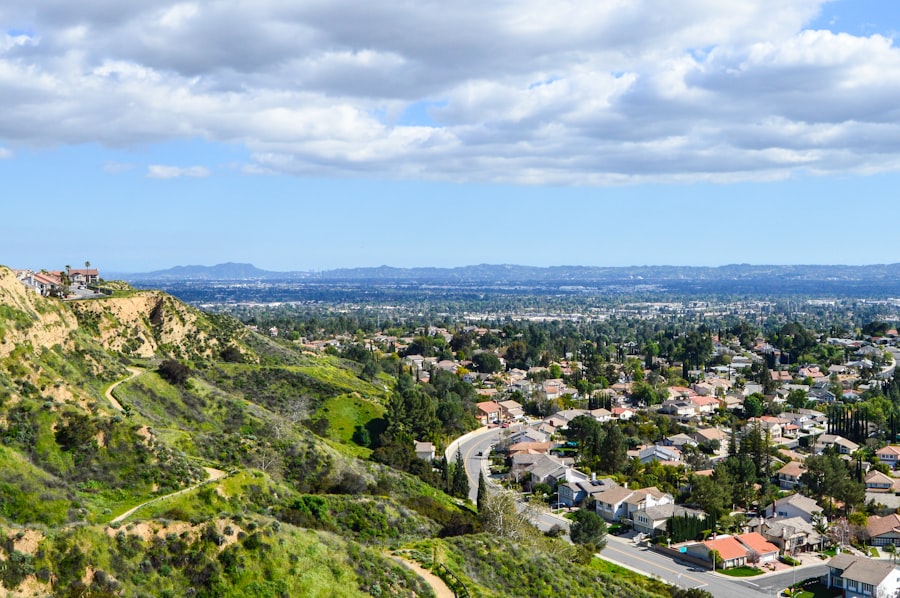
The Westside versus Valley debate is one of the most common dilemmas facing LA home buyers with budgets between $900,000 and $1.5M. The Valley offers more square footage, larger lots, and better schools for the price. The Westside offers location, lifestyle, and long-term appreciation that the Valley has historically not matched. The right answer depends entirely on what you're optimizing for — and requires an honest look at both sides.
What the Same Budget Buys in Each Market
At $1.2M in Encino, you can purchase a 4-bedroom, 2,500 sq ft home on a 7,500 sq ft lot with a pool and a 2-car garage in a tree-lined neighborhood with good schools. At $1.2M on the Westside, you're looking at a 2-3 bedroom Mar Vista bungalow of 1,400–1,800 sq ft on a smaller lot, or a 2-bedroom Culver City condo. The space differential is real and significant, particularly for families with children who need bedrooms, storage, and outdoor play space. The Valley wins on value-per-dollar at every price point below $2M.
The Appreciation Gap: Why Location Is the Long Game
Here is where the calculus shifts. Over the past 10 years, West LA single-family home appreciation has averaged 7.2% annually. San Fernando Valley appreciation has averaged 5.8%. On a $1.2M purchase held for 10 years: the Westside property becomes worth $2.4M. The Valley property becomes worth $2.1M. The $300,000 difference — on the same initial investment — is the compounding cost of the location discount. For buyers who are optimizing for long-term wealth building and are prepared to accept less space initially, the Westside's higher base price is justified by the higher appreciation trajectory.
Schools: The Valley's Underrated Strength
The public school narrative in LA is more nuanced than 'Westside good, Valley bad.' Specific Valley districts — particularly Calabasas, Las Virgenes Unified, portions of Sherman Oaks, and the charter school options in Studio City — perform at levels comparable to West LA. Encino in particular has seen significant improvement in school ratings in recent years. Buyers who do the school-district research carefully, rather than relying on general neighborhood reputation, sometimes find the Valley delivers better school quality per dollar than the Westside.
Commute: The Hidden Cost
For employees with Silicon Beach offices, the commute from the Valley requires navigating the 405 or 101 freeway — the two most congested freeway corridors in Los Angeles. The average round-trip commute from Encino to Playa Vista is 90-120 minutes per day in normal traffic, more during peak congestion. Over a 5-year period, that's approximately 1,500-2,000 hours of commute time. The value you place on those hours — in terms of personal productivity, family time, and quality of life — is a real cost that doesn't appear on the property comparison spreadsheet but matters enormously to day-to-day experience.
The Honest Recommendation
Choose the Valley if: space is your primary need, your job is in the Valley or you work remotely, and you're willing to trade appreciation speed for immediate quality of life. Choose the Westside if: you work in Silicon Beach or Santa Monica, long-term wealth building is your priority, and you can live well in less space. Either decision can be right — but it needs to be made with clear eyes about the real trade-offs, not assumptions based on LA neighborhood mythology.
The Real Tradeoff: What You Gain and Lose on Each Side of the Hill
The Santa Monica Mountains literally divide Los Angeles into two different real estate markets. The Westside, including Santa Monica, Culver City, Venice, Mar Vista, Brentwood, Beverly Hills, and West Hollywood, offers higher price per square foot, smaller lots, better tech employment access, beach proximity, and a cool marine climate that stays 5-10 degrees cooler than the Valley. The San Fernando Valley, specifically Encino, Sherman Oaks, Studio City, and Calabasas, offers dramatically more square footage per dollar, larger lots, more parking, a quieter suburban character, and neighborhoods that have maintained middle-class affordability while the Westside became inaccessible to most incomes.
Price Per Square Foot: The Most Honest Comparison
The data is stark. In Culver City, the current price per square foot for single-family homes averages $985. In Mar Vista, $935. In Brentwood, $1,180. Cross the Sepulveda Pass and the number changes dramatically. Sherman Oaks averages $670 per square foot. Encino averages $615. Even Studio City, the most expensive Valley submarket, averages $740 per square foot. A buyer with $1.8 million to spend can purchase a 1,800 square foot Culver City home or a 2,700 square foot Sherman Oaks home. In square footage terms, the Valley buyer is getting 50% more house for the same money. The question is whether the lifestyle, school quality, commute, and appreciation differential justifies paying the Westside premium.
Commute: The Factor That Breaks Every Comparison
The commute difference between Valley and Westside overwhelms almost every other factor in long-term quality of life analysis. A buyer who works in Santa Monica or Culver City and lives in Sherman Oaks will spend 45-75 minutes each direction crossing the Sepulveda Pass in typical morning traffic. That is 90-150 minutes per day, or 375-625 hours per year, sitting in a car. Over a 10-year period, this represents 3,750-6,250 hours lost to a car that could have been used for family time, exercise, sleep, or professional development. Remote workers who need only occasional office visits should absolutely reconsider the Valley, where $1.8 million buys a genuinely impressive family home.
Frequently Asked Questions: Westside vs Valley in 2026
❓ Which market has appreciated faster over the past decade?
The Westside has outperformed by approximately 35% over 10 years, averaging 8.2% annually versus 6.1% in the Valley. However, past appreciation does not guarantee future performance, and the Valley has more room to run given its lower absolute price levels.
❓ Are Valley schools better or worse than Westside schools?
The top Valley schools including LAUSD magnet schools and Las Virgenes Unified in Calabasas are excellent and comparable to strong Westside options. However, the median Valley school within LAUSD is weaker than the median Westside school.
❓ Is there any Valley neighborhood that combines Valley prices with Westside proximity?
Studio City south of Ventura Boulevard near Coldwater Canyon comes closest. Toluca Lake offers similar proximity to Burbank and Hollywood. Neither fully matches Westside lifestyle but they split the difference more effectively than Sherman Oaks or Encino.